The City of Ottawa is pressing forward with a controversial local regulation, known as the "bubble bylaw," even as a more comprehensive federal anti-hate bill progresses through Parliament. Critics, including columnist Mohammed Adam, argue this move is a significant waste of municipal time and resources and should be abandoned entirely.
A Redundant Layer of Regulation
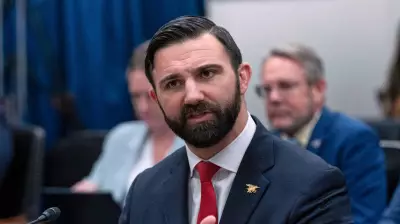
In a memo issued last month, Ryan Perrault, the city’s General Manager of Emergency and Protective Services, stated that staff are advancing the "vulnerable social infrastructure bylaw" to complement the federal government's Bill C-9, the Combating Hate Act. The local bylaw aims to create protest-free zones of 80 metres around institutions like hospitals, schools, and houses of worship. However, opponents contend there are no meaningful gaps for the city to fill, rendering the bylaw redundant.
The proposal was already contentious. Following public backlash in May, Ottawa city council directed staff to revise the bylaw and return for a debate and vote early in the new year. Yet, the landscape has shifted with the introduction of the tougher federal legislation, which creates new hate crime offences and has itself drawn criticism for potentially criminalizing peaceful protest.

Free Expression Concerns Take Center Stage
Even initial supporters of the bubble bylaw must now question its value, Adam suggests. If federal law already makes it a crime to intimidate or obstruct access to these sensitive locations, the purpose of the municipal rule becomes unclear. "What is it trying to do that the federal anti-hate legislation is not doing?" he asks.
While Perrault asserts that free speech remains the cornerstone of the city's approach, critics see a contradiction. "The city is talking out of both sides of its mouth," Adam writes, arguing that the bylaw's very existence points toward limiting expression, not protecting it. He urges council members to thank staff for their work when the revised bylaw returns and then shelve it permanently.
The Slippery Slope of Equating Protest with Hate
The broader, more troubling issue, according to the opinion piece, is a governmental tendency to conflate protest with violence or hate. "The assumption is a dangerous slippery slope to travel," Adam warns. He posits that the instinct of any government is to suppress dissent and chip away at free speech when given an opportunity.
The current rise in reported hate crimes provides a convenient pretext for such erosion, he argues. While everyone deserves to live free from intimidation and harassment—a principle upheld by existing laws—the solution is better enforcement of those laws, not redundant municipal bylaws that risk stifling legitimate protest. "We should always be suspicious when government tells us it is curbing freedom for our own sake," Adam concludes, framing the Ottawa bylaw as an empty gesture in the face of substantive federal action.