The annual budget process for the City of Ottawa has once again ignited a heated debate, this time centering on a proposed $26 million increase for the Ottawa Police Service (OPS). While police leadership argues the funds are essential for service demands, significant community opposition underscores a profound disconnect and questions about civic priorities.
Beyond the Dollars: A Crisis of Trust and Philosophy
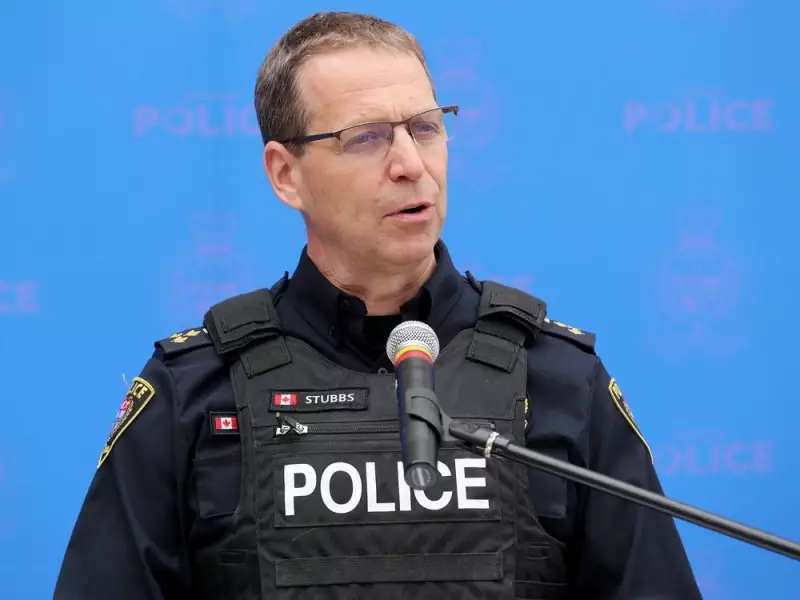
The resistance to the budget hike, voiced passionately at a recent Ottawa Police Services Board (OPSB) meeting, extends far beyond fiscal concerns. At its core lies a philosophical divide on public safety. Police Chief Eric Stubbs advocates for more resources to put "more boots on the ground," citing high demand for services. Conversely, community advocates and many residents challenge this approach, arguing for greater investment in housing, addiction support, and mental health services as more effective long-term solutions to crime and distress.
This debate is fueled by a palpable erosion of trust. Members of marginalized communities, including Black, Brown, and LGBTQ residents, frequently express that they do not feel protected or treated fairly by police. They point to data on traffic stops and use-of-force incidents that show disproportionate targeting. This sentiment isn't born from a single event but from a cumulation of experiences that have damaged the relationship.

Historical Tensions and Modern Alternatives
The trust gap has manifested in tangible ways in recent years. In 2017, uniformed police officers were banned from participating in the Gay Pride parade, with some organizers stating their presence made community members feel unsafe. In 2021, the Ottawa Police School Resource Officer (SRO) program was cancelled after some students reported feeling uncomfortable with officers in their schools.
Opponents of the police budget increase point to the success of alternative models. A key example is the Alternative Neighbourhood Crisis Response (ANCHOR) program, launched last year to handle mental health distress calls in Centretown. The program, which directs calls to a 2-1-1 crisis line, has been a smashing success, managing 93 percent of its 4,464 calls without police involvement. Community groups are now demanding its expansion city-wide.
The Budgetary Stalemate and the Path Forward
The current budget proposal highlights the stark contrast in funding allocations. While the OPS is set to receive the $26 million increase, the highly successful ANCHOR program is slated for only $700,000. For advocates, this disparity is untenable and reflects misplaced priorities. They argue that bolstering community-based crisis response and social supports would alleviate pressure on police and address root causes of crime.
However, police administration contends with its own constraints, noting that 85 percent of its budget is devoted to salaries and compensation, and it is preparing to launch a resource-intensive district policing model. The challenge for city officials is to bridge this deep divide, mending broken trust while ensuring all residents feel safe and served. The annual budget debate, as commentator Mohammed Adam notes, has become the primary stage where this fundamental tension plays out, demanding a resolution that addresses both immediate operational needs and the long-term health of the community.