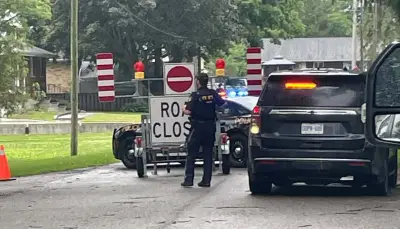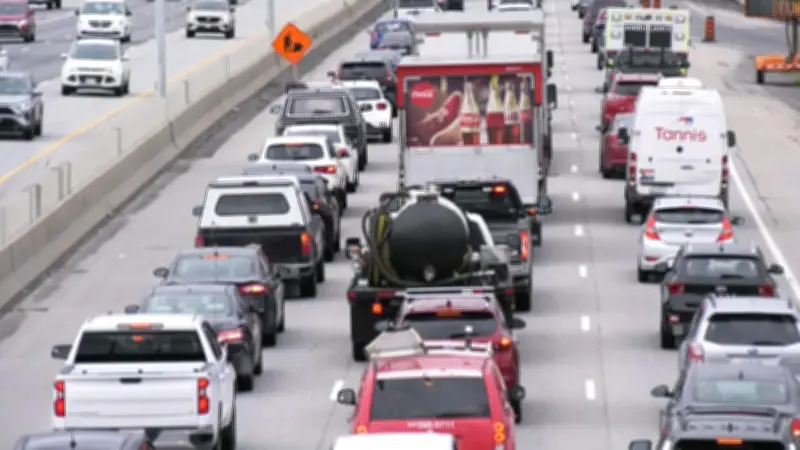
The City of Ottawa is set to invest millions of dollars in traffic management initiatives this fall to keep vehicles and transit moving amid ongoing construction and population growth, officials announced Wednesday.
The plan includes optimized traffic signal timing, enhanced transit priority measures, and better coordination of construction projects to minimize disruptions. The city expects the measures to reduce delays on major corridors and improve travel times for commuters.
Millions allocated for congestion relief
The investment, part of the city's 2026 transportation budget, will fund additional traffic control staff, upgraded signal equipment, and real-time monitoring systems. Ottawa's transportation committee approved the spending, citing a 15% increase in congestion over the past two years.

“We are committed to ensuring that Ottawa remains a city where people can get around efficiently, even as we grow,” said a city spokesperson. “These investments will help us manage traffic in real time and reduce bottlenecks.”
Focus on key corridors and transit
Priority will be given to high-traffic routes such as Highway 417, Bank Street, and Rideau Street. Transit priority signals will be expanded to give buses quicker passage through intersections, and construction projects will be coordinated to avoid simultaneous lane closures on major arteries.
The city also plans to launch a public awareness campaign to encourage alternative transportation, including cycling, walking, and carpooling. Data from the campaign will inform future traffic planning.
Impact on commuters
Commuters can expect gradual improvements as measures are implemented through September and October. The city aims to reduce average peak-hour travel times by 10% by the end of the year.
“While we can't eliminate congestion entirely, these steps will make a real difference for drivers and transit users,” the spokesperson added. The total cost of the fall traffic plan is estimated at $3.2 million, funded from the city's transportation reserve.