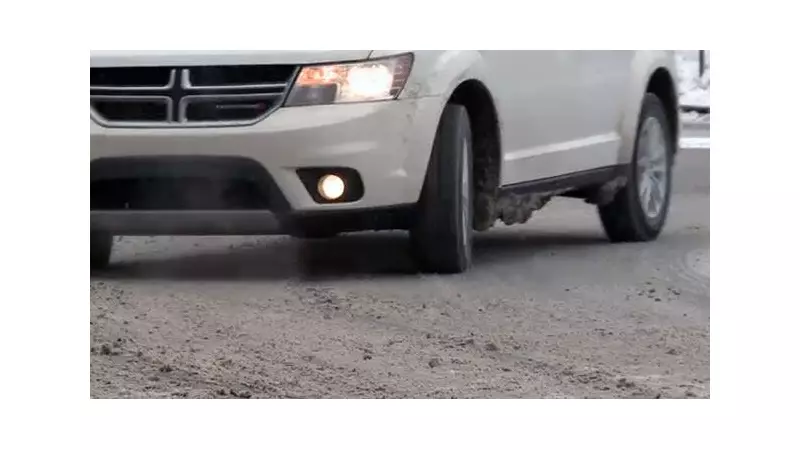
The City of Ottawa is actively investigating a novel and potentially more environmentally friendly method to combat icy winter roads: beet brine. This agricultural byproduct, a liquid derived from sugar beet processing, is gaining traction as a viable alternative to traditional road salt for de-icing.
The Case for a Greener De-icing Agent
Traditional road salt, primarily sodium chloride, is effective but comes with significant environmental and infrastructural costs. It can corrode vehicles, damage concrete and steel in bridges and roads, and harm local waterways and soil when it runs off. In contrast, beet brine offers a compelling alternative. When mixed with a small amount of salt brine, it creates a solution that lowers the freezing point of water more effectively than salt alone. This means it can work at lower temperatures and requires less material overall, reducing the chloride load entering the ecosystem.
The concept involves spraying this beet-salt mixture onto roads before a snowstorm, preventing ice from bonding to the pavement. This pre-treatment strategy can make plowing easier and improve safety for drivers. The use of a sustainable de-icer like beet brine aligns with growing municipal goals to adopt greener practices and reduce the environmental footprint of essential services.

Weighing the Practical Considerations for Ottawa
While the environmental benefits are clear, Ottawa's city officials must consider several practical factors. The first is cost-effectiveness compared to conventional rock salt. Although beet brine may be more expensive per litre, its increased efficiency and reduced application rates could balance the overall budget. Supply chain logistics are another key consideration; securing a consistent, local source of the beet byproduct would be crucial for a city-wide program.
Public perception and potential side effects also require study. Some municipalities that have used similar agricultural products, like cheese brine or pickle juice, have reported minor issues such as temporary odours or sticky residues. Ottawa would need to pilot the program and gather data on its performance in the region's specific climate conditions, which include freeze-thaw cycles and significant snowfall.
The Path Forward for Winter Road Maintenance
The exploration of beet brine for road de-icing represents a shift towards innovative, sustainable municipal management. If adopted, Ottawa would join a number of forward-thinking cities across North America experimenting with agricultural byproducts to enhance winter safety while protecting the environment.
The decision will hinge on a comprehensive analysis of pilot project results, cost audits, and environmental impact assessments. For Ottawa residents, a successful implementation could mean safer winter roads with a reduced impact on their vehicles, local infrastructure, and the surrounding watersheds. The discussion underscores a broader trend in winter road maintenance: seeking solutions that are not only effective but also responsible for the long-term health of the community and its natural surroundings.