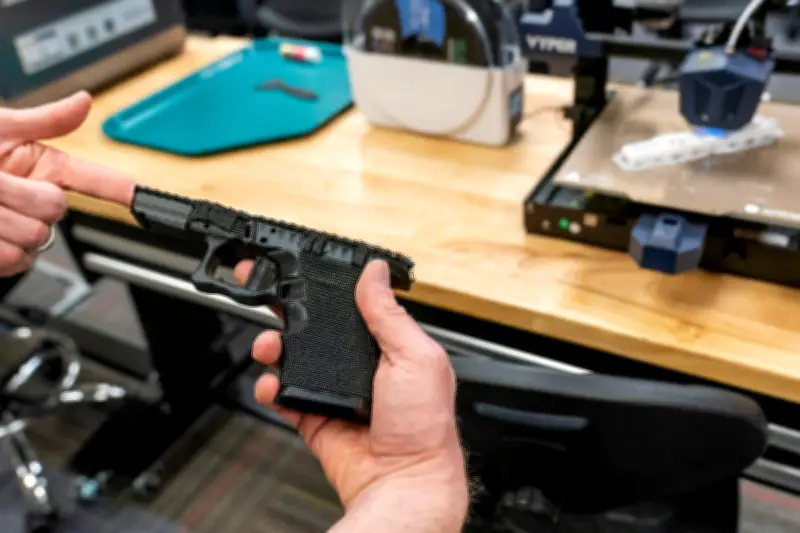
A new U.S. law is taking aim at individuals who manufacture firearms using 3D printers, seeking to shut down the distribution of digital blueprints that allow anyone with a printer to create untraceable weapons. The legislation, introduced in Congress, targets the online sharing of files used to print gun components, particularly the lower receivers of handguns and rifles, which are the regulated parts under federal law.
Background on 3D-Printed Firearms
3D-printed guns have become a growing concern for law enforcement and policymakers. These weapons, often made from plastic, can bypass traditional serial numbers and background checks, making them difficult to trace. The Bureau of Alcohol, Tobacco, Firearms, and Explosives (ATF) has noted an increase in seizures of 3D-printed firearm parts in recent years. The technology has evolved rapidly, with printable designs for fully functional guns available online.
Key Provisions of the New Law
The proposed law would make it illegal to post or distribute digital files that can be used to produce firearms without a license. It also enhances penalties for those who use 3D printers to manufacture guns for criminal purposes. Additionally, the law requires online platforms to remove such content and report violations to authorities.

- Prohibition on Online Distribution: Websites and forums hosting 3D-printed gun blueprints would be required to take down the files or face fines.
- Enhanced Enforcement: The ATF would receive additional funding to investigate and prosecute offenders.
- Penalties: Violators could face up to 10 years in prison.
Reactions and Implications
Supporters of the law argue it is necessary to prevent untraceable weapons from falling into the wrong hands. "This legislation closes a dangerous loophole that allows anyone to produce a firearm without any oversight," said Senator Jane Doe, a sponsor of the bill. However, gun rights advocates contend that it infringes on Second Amendment rights and stifles innovation. The law is expected to face legal challenges.
The move aligns with broader efforts to regulate emerging technologies in firearm manufacturing. Similar laws have been proposed in several states, and international partners are watching the U.S. approach closely.