Montreal's Pothole Crisis: Broken Equipment and Contract Delays Threaten Spring Repair Season
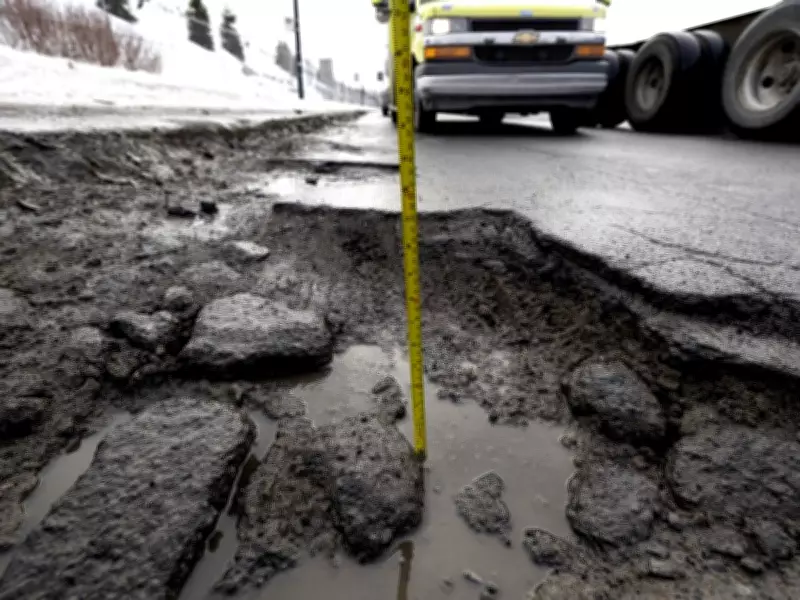
As Montreal prepares for the traditional spring thaw, city officials are grappling with significant challenges in addressing the persistent pothole problem that plagues the city's roadways. Alan DeSousa, the executive committee member responsible for mobility and infrastructure, has revealed that the city's ability to respond effectively is hampered by multiple operational issues.
Equipment Failures and Contractual Complications
When cold weather arrived this season, Montreal faced a critical equipment shortage. Three out of four specialized pothole-filling machines had been non-operational for months, with one remaining unrepaired as of February 2026. DeSousa criticized the previous administration's resource management, noting that these machines should have been repaired in April of the previous year but were still broken when his administration took office.
Compounding the equipment problems is a contractual void. The contract permitting private firms to fill potholes across Montreal's boroughs expired in November 2025 and has not been renewed. According to DeSousa, initial bidders in August failed to meet specifications, forcing the city to restart the tender process in November. Despite the contract's December expiration, qualified bidders have yet to emerge to support borough-level repair operations.

Budgetary Concerns and Infrastructure Deficits
The Martinez Ferrada administration's first budget included a reduction in annual road repair and paving allocations, drawing criticism from Projet Montréal and concern from organizations like CAA-Québec. Nicolas Ryan, spokesperson for CAA-Québec, highlighted the province's staggering $21.5 billion asset-maintenance deficit—the amount needed to bring all roads to acceptable condition.
A Canada-wide study by CAA revealed that Quebec drivers pay approximately $258 per vehicle annually for pothole-related repairs, nearly double the national average. DeSousa defended his administration's approach, stating they aim to "do more with less" compared to previous administrations that he claims budgeted generously but underspent consistently.
Potential Solutions and Labor Disputes
Executive committee chairperson Claude Pinard announced that new municipal contract amendments taking effect April 1 will provide greater flexibility to declare emergency situations and negotiate agreements for urgent repairs like pothole filling. This legislative change could enable faster, more effective responses to infrastructure emergencies.
Meanwhile, Jean-Pierre Lauzon, head of the city's blue-collar workers' union, argued that private contractors often cost the city more money for pothole repairs. He suggested that better budget allocation toward municipal workers could yield more repairs for the same expenditure. This perspective emerges amid an ongoing labor dispute, with CUPE Local 301 launching its first strike in approximately 17 years.
Despite these challenges, city officials remain hopeful that repair contracts will be in place by March and April, the peak season for pothole remediation. However, with crumbling roads already generating record complaints before the spring thaw, Montreal faces a critical test of its infrastructure management capabilities.