Minneapolis Confronts Decision on Streetside Memorials for Two Killed by Federal Officers
The city of Minneapolis finds itself at a crossroads as it deliberates the future of streetside memorials dedicated to two individuals who lost their lives in encounters with federal officers. This poignant issue has ignited a broader community conversation about remembrance, public space, and justice.
A Community Grapples with Memory and Space
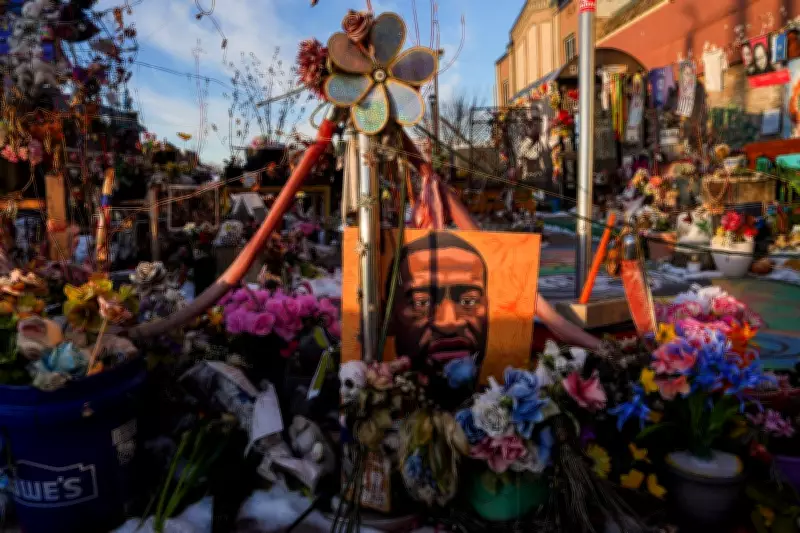
These informal memorials, often consisting of flowers, candles, photographs, and handwritten notes, have become focal points for public mourning and protest. They serve as stark reminders of the incidents that led to the deaths, drawing attention to ongoing concerns about law enforcement actions and accountability.
The debate centers on whether these tributes should be permanently preserved, temporarily maintained, or eventually removed. Proponents argue that the memorials are vital for healing and keeping the memories of the deceased alive in the public consciousness. They view the spaces as sacred grounds for reflection and a form of peaceful, ongoing protest against perceived injustices.

Balancing Remembrance with Urban Management
Opposing viewpoints highlight practical and regulatory challenges. City officials and some residents express concerns about the long-term maintenance of these sites, potential safety hazards, and the precedent it sets for ad-hoc use of public property. There are questions about the city's role in curating public memory and the logistics of preserving these often ephemeral displays.
The discussion is further complicated by the involvement of federal officers, adding a layer of jurisdictional and political sensitivity to the local decision-making process. Community leaders, activists, and city planners are now engaged in seeking a resolution that honors the grief of families and supporters while addressing municipal responsibilities.
Seeking a Path Forward
As Minneapolis moves forward, potential solutions being considered include creating designated spaces for remembrance, establishing official city protocols for temporary memorials, or integrating the stories of the deceased into more permanent public art or historical markers. The outcome of this deliberation is seen as a significant indicator of how the city navigates its recent turbulent history and its commitment to community-led expressions of loss and demand for change.
The decision, expected in the coming months, will resonate beyond city limits, offering a case study for other communities facing similar dilemmas over how to memorialize tragedy in shared public spaces.