Kitchener Police Confirm Chopin Drive Incident as Swatting Hoax
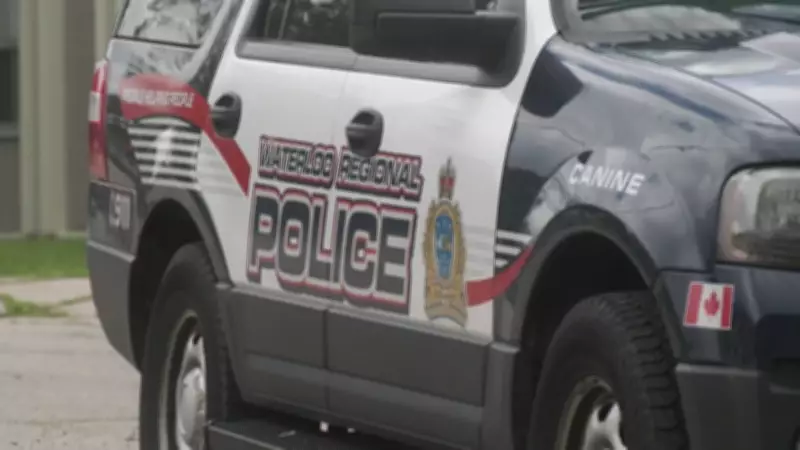
Waterloo Regional Police have officially declared that a reported shooting on Chopin Drive in Kitchener was a swatting incident, according to statements released on February 14, 2026. The police responded to an emergency call alleging a shooting, but upon investigation, found no evidence of any actual violence or victims at the scene.
What is Swatting?
Swatting is a dangerous prank where individuals make false reports of emergencies, such as shootings or hostage situations, to trigger a large-scale police response, often involving SWAT teams. This malicious act wastes valuable police resources and can put both officers and the public at risk due to the high-stakes nature of the deployment.
"These incidents are taken very seriously by our department," a police spokesperson emphasized. "They divert critical resources from real emergencies and create unnecessary panic in our communities."

Police Response and Investigation
Upon receiving the call, Waterloo Regional Police swiftly mobilized units to Chopin Drive, following standard protocols for potential active shooter situations. The response included:
- Multiple patrol vehicles
- Tactical teams on standby
- Investigators to secure the scene
After a thorough search of the area, officers confirmed no shooting had occurred, and the report was fabricated. The investigation into the source of the false call is ongoing, with police working to identify and apprehend the perpetrator.
Community Impact and Safety Concerns
Swatting incidents like this one disrupt neighborhood tranquility and can cause significant distress to residents. False reports undermine public trust in emergency services and highlight the need for vigilance against such hoaxes.
Police are urging the public to report any suspicious activity or knowledge of swatting attempts. They remind citizens that making false reports is a criminal offense that can result in severe penalties, including fines and imprisonment.
This event underscores the importance of accurate emergency communication and the challenges law enforcement faces in distinguishing genuine threats from malicious fabrications in today's digital age.