Winter's Thaw Exposes Neglected Dog Waste, Creating Urban Minefields
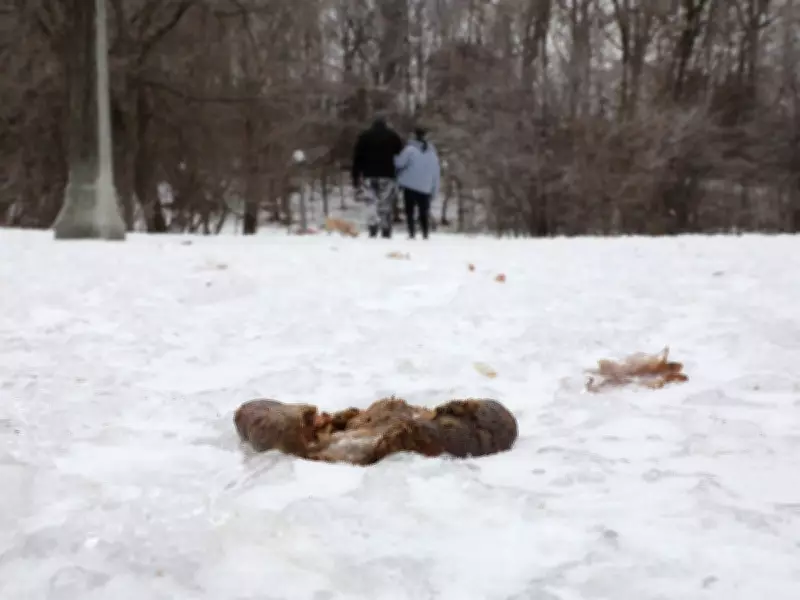
As temperatures rise and snow begins to melt across Ottawa, a messy and unpleasant reality is emerging on public pathways. The retreating ice and snow are revealing hidden deposits of dog waste that irresponsible owners failed to clean up during the winter months, transforming what should be pleasant walking routes into obstacle courses of biological hazards.
The Unpleasant Discovery
Walking through south-end neighbourhoods and other areas of the city has become an exercise in careful navigation. What were once clean, inviting pathways for walking, running, and exercising have become minefields of dissolving waste. Pedestrians find themselves dodging puddles of melting snow only to discover they've stepped into something far more unpleasant than water.
"Before you know it, it is splattering all over your boots," describes one resident who has experienced this firsthand. "Sometimes, you have to navigate the poop landscape as if walking through a minefield, which, come to think of it, it can be in its own unique way."

A Seasonal Problem of Responsibility
Through informal surveys and conversations with neighbours, friends, and random residents across various neighbourhoods, a clear pattern emerges. The problem of neglected dog waste becomes particularly pronounced during winter months when fewer people are outdoors to witness irresponsible behavior.
The issue is not with the pets themselves, but with owners who neglect their basic responsibilities. While most pet owners do the right thing year-round, a significant minority apparently believes the winter snow provides convenient cover for their negligence.
The Psychology of Public Shaming
During summer months, city regulations about cleaning up after pets are largely effective, but not because of extensive enforcement by municipal authorities. The real deterrent comes from public shaming—the knowledge that someone is likely watching and might call out irresponsible behavior.
However, this social pressure diminishes dramatically during winter when fewer people are outdoors. The cover of darkness and reduced foot traffic apparently emboldens some owners to skip this basic responsibility, creating a seasonal spike in the problem.
Municipal Limitations and Community Solutions
The City of Ottawa has prohibitive bylaws regarding pet waste cleanup, with potential fines for violations. However, practical enforcement presents significant challenges, particularly during winter months when much of this behavior occurs under cover of darkness or in less-trafficked areas.
"The city has its prohibitive bylaws, but I doubt it has squads of bylaw officers ready to scramble into action," notes one observer. "Besides, if a lot of this is happening at night, the city can't police what it can't see."
A Call for Community Responsibility
The solution may lie not in increased enforcement but in appealing to pet owners' sense of community responsibility. Keeping public spaces clean benefits everyone—pedestrians, other pet owners, and the broader community that uses these pathways for recreation and transportation.
Pet ownership brings joy and companionship, but it also carries responsibilities that don't disappear with the temperature. As one resident puts it: "If you are going to have a pet, know that it comes with some responsibility, one of which is to pick up after them."
The emerging mess on Ottawa's pathways serves as a seasonal reminder that community cleanliness requires year-round commitment from all residents, regardless of weather conditions or time of year.