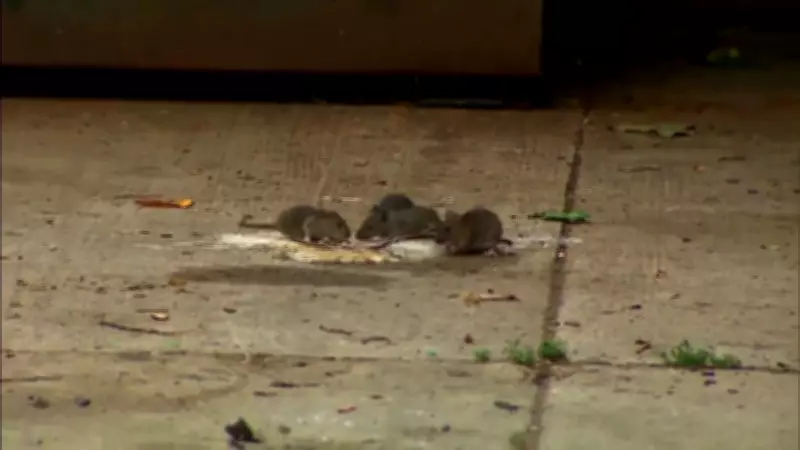
London Residents Report Rat Infestation, Councillor Proposes Bylaw Changes
Residents in an east London neighbourhood are raising alarms about a significant rat infestation, with reports of rodents chewing through walls and causing widespread concern. The situation has escalated to the point where local officials are now considering legislative action to address the problem.
Growing Complaints Prompt Official Response
According to recent reports, there has been a noticeable increase in rat-related complaints from residents in the affected area. Many describe hearing scratching sounds within walls and finding evidence of gnawing on structural elements of their homes. "They're chewing through walls!" one frustrated resident exclaimed, capturing the severity of the issue that has disrupted daily life for numerous households.
The complaints have grown sufficiently concerning that Councillor Stevenson has stepped forward with a proposal to amend local property standards bylaws. The suggested changes would specifically target conditions that allow rodent infestations to flourish, potentially giving authorities more tools to enforce cleanliness and maintenance standards that could prevent such outbreaks.

Proposed Bylaw Amendments
The councillor's proposal focuses on strengthening existing regulations regarding property maintenance and waste management. Key elements under consideration include:
- Enhanced requirements for proper garbage storage and disposal
- Stricter enforcement of building maintenance standards
- Clearer guidelines for addressing pest infestations on residential properties
- Potential penalties for property owners who fail to address rodent problems
These measures aim to create a more comprehensive approach to preventing and managing rodent populations in residential areas. The proposed changes come at a time when many residents feel current regulations are insufficient to address the scale of the infestation they're experiencing.
Community Impact and Concerns
Beyond the physical damage to properties, residents express concerns about potential health risks associated with the rat infestation. Rodents can carry diseases and contaminate food sources, creating public health considerations that extend beyond mere nuisance complaints.
The situation has created tension in the neighbourhood, with some residents blaming specific properties for attracting rodents through poor maintenance practices, while others point to broader environmental factors that may be contributing to increased rodent activity in the area.
Local authorities are now gathering additional data on the scope of the problem before moving forward with the proposed bylaw amendments. Community meetings are expected to be scheduled to gather input from affected residents and property owners about the most effective approaches to addressing the rodent issue.
As the situation develops, residents remain hopeful that strengthened regulations will provide relief from what many describe as an increasingly untenable living situation marked by unwanted rodent inhabitants disrupting their homes and peace of mind.