

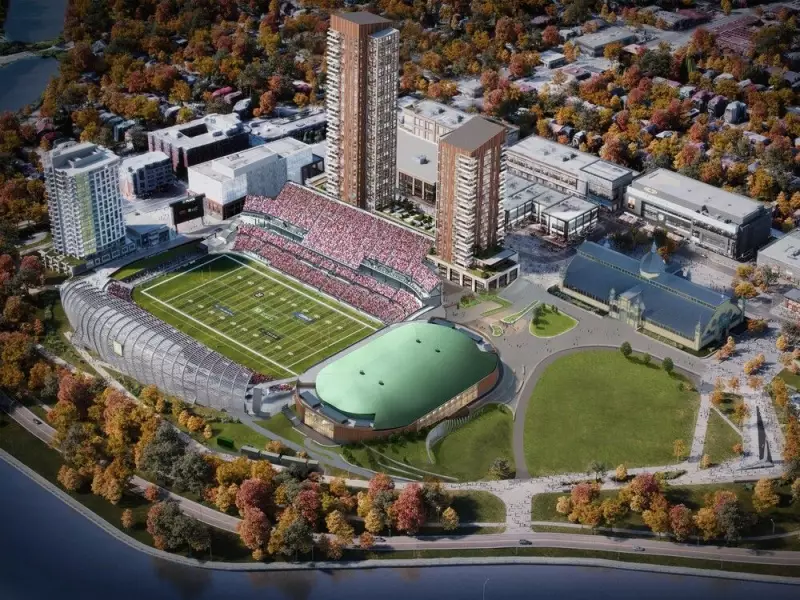
A massive redevelopment plan for Ottawa's Lansdowne Park is facing increasingly vocal opposition from community groups, urban planning experts, and concerned residents. The controversial Lansdowne 2.0 proposal, with its staggering $419 million price tag, has become a lightning rod for criticism about municipal spending priorities and transparency.
Financial Concerns Take Center Stage
Critics are raising alarm bells about the project's financial framework, which would see Ottawa taxpayers shoulder significant financial risk. The current proposal includes demolishing the north side stands at TD Place arena and constructing a new event center, along with adding 1,200 residential units and commercial space.
"The financial model puts taxpayers on the hook for hundreds of millions of dollars," stated a representative from the Glebe Community Association. "We're being asked to approve a project with unclear benefits and very clear risks."

Community Consultation Under Fire
Many opponents argue that the public consultation process has been inadequate, with decisions appearing to be rushed through council. Community groups have organized town halls and information sessions to educate residents about what they see as the project's flaws.
Urban planning experts have joined the chorus of concern, questioning whether the massive investment represents the best use of public funds for community needs. Some suggest alternative approaches that would better serve Ottawa's long-term urban development goals.
What Opponents Want Changed
- Comprehensive independent financial analysis of the project
- Meaningful public consultation with clear impact on decision-making
- Transparent assessment of alternative development options
- Clearer benefits for the broader Ottawa community
- Reduced financial exposure for taxpayers
The Road Ahead
As city council prepares to debate the proposal, opposition groups are mobilizing to make their voices heard. The coming weeks will be critical for determining whether Lansdowne 2.0 moves forward in its current form or undergoes significant modifications to address community concerns.
The battle over Lansdowne's future represents a larger conversation about how Canadian cities approach urban redevelopment and who bears the financial risk when ambitious projects encounter challenges.






