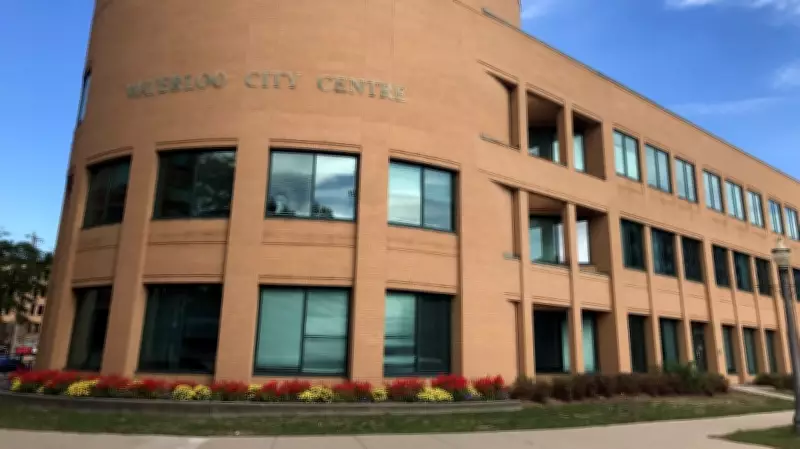
Kitchener-Waterloo Explores At-Home Voting for Municipal Election
Kitchener-Waterloo is actively investigating the implementation of at-home voting for the upcoming municipal election, as reported by Heather Senoran. This initiative aims to improve voter accessibility and potentially increase participation rates in the region's electoral processes.
Enhancing Voter Accessibility
The proposal for at-home voting is part of a broader effort to modernize the electoral system in Kitchener-Waterloo. By allowing residents to cast their ballots from the comfort of their homes, officials hope to address barriers that may prevent some individuals from voting, such as mobility issues, busy schedules, or transportation challenges. This move aligns with trends in other municipalities exploring remote voting options to foster greater civic engagement.
Potential Benefits and Challenges
At-home voting could offer several advantages, including convenience for voters and reduced congestion at polling stations. However, it also presents challenges, such as ensuring the security and integrity of the voting process. Authorities are expected to conduct thorough assessments to mitigate risks like fraud or technical failures, possibly incorporating measures like secure mail-in ballots or digital verification systems.

Community and Government Response
Local residents and government officials have shown mixed reactions to the proposal. Supporters argue that at-home voting could boost turnout, especially among younger voters and those with disabilities. Critics, however, express concerns about logistical complexities and the need for robust safeguards. The city plans to gather public feedback and pilot potential solutions before any formal implementation.
Broader Context and Future Steps
This exploration comes amid a national conversation on electoral reform, with other Canadian cities also considering similar measures. Kitchener-Waterloo's efforts reflect a growing emphasis on making elections more inclusive and adaptable to modern lifestyles. Next steps may include feasibility studies, community consultations, and potential legislative changes to accommodate at-home voting in future municipal elections.