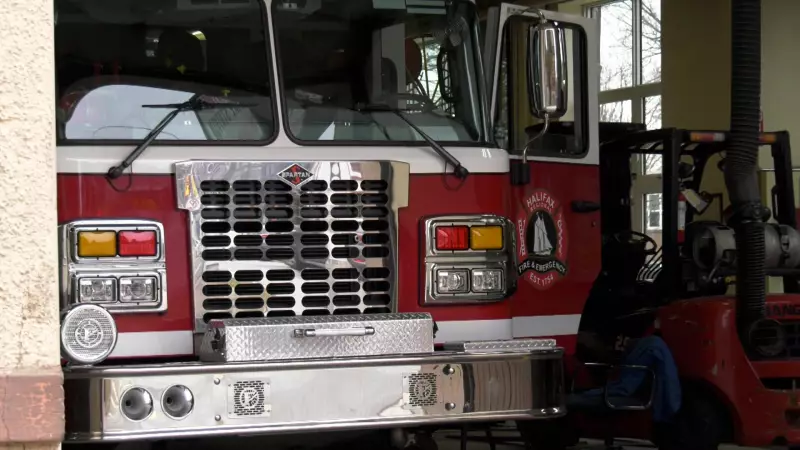
Halifax Regional Council is poised to make a significant decision regarding fire safety and municipal resources. Councillors are scheduled to vote on a motion that would introduce a flat fee of $300 for false fire alarms within the municipality. This proposed measure aims to address the costly and time-consuming issue of unnecessary emergency responses.
The Proposed Bylaw Change and Its Rationale
The motion, set for debate and a vote, seeks to amend existing bylaws to establish a standardized penalty. The core objective is to deter property owners and managers from allowing preventable false alarms, which divert critical firefighting resources from genuine emergencies. Each false alarm requires a full emergency response, including trucks and personnel, creating potential risks elsewhere in the community.
Proponents of the fee argue that it will encourage better maintenance and management of fire alarm systems. The $300 charge is designed as a flat fee, simplifying enforcement and providing a clear, consistent consequence. This move follows practices in other Canadian municipalities that have implemented similar charges to reduce the frequency of these incidents.

Potential Impact on Residents and Businesses
If passed, the bylaw change would affect a wide range of stakeholders, including residential building owners, commercial businesses, and institutional facilities. The fee would be levied against the property owner where the false alarm originates. The city's fire department likely hopes this financial disincentive will lead to more diligent testing, quicker repairs of faulty systems, and improved user education to prevent accidental triggers.
Critics of such fees sometimes argue they could discourage people from calling 911 in a real, but uncertain, emergency. However, the motion specifically targets false alarms from malfunctioning or poorly managed systems, not well-intentioned calls from concerned citizens. The council's debate will likely focus on finding the right balance between deterrence and public safety.
Next Steps and Implementation
The council vote is the next critical step. Should the motion receive approval, municipal staff will work on the formal implementation of the fee structure. This would involve updating administrative processes and communicating the new rules to the public. The goal is to create a more efficient use of Halifax's fire services, ensuring that crews are available for actual fires and life-threatening situations.
The decision by Halifax council reflects a broader trend in municipal management, where cities are seeking practical solutions to manage operational costs and optimize emergency services. The outcome of this vote will set a clear policy direction for how Halifax handles a common urban challenge.