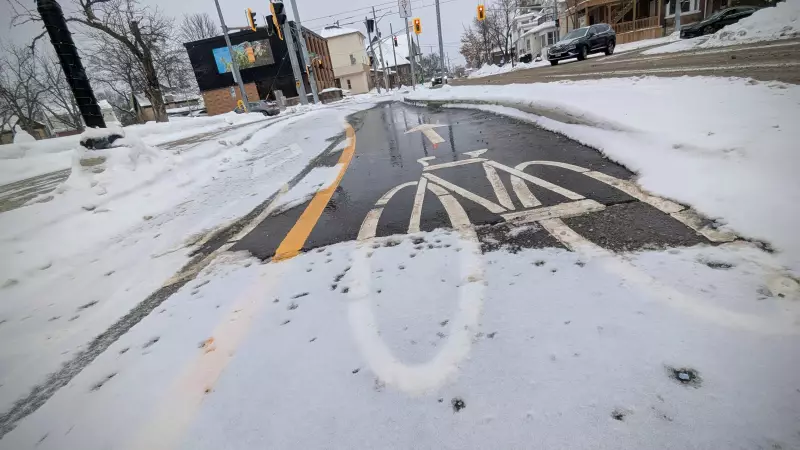
Guelph Mayor Cam Guthrie has taken decisive action to ensure the city's bike lanes are cleared of snow this winter, utilizing the special authority granted to him by the provincial government's Strong Mayors legislation.
Mayoral Power Invoked for Service Restoration
On December 16, 2025, Mayor Cam Guthrie exercised his executive powers under the Building Faster Fund and Strong Mayors framework to direct city staff to reinstate snow and ice removal services for Guelph's network of bicycle lanes. This move effectively reverses a previous operational decision that would have left the lanes unmaintained during winter months.
The Strong Mayors, Building Homes Act, enacted by the Province of Ontario, grants the mayors of certain municipalities, including Guelph, enhanced authority to advance provincial priorities, such as housing construction. Mayor Guthrie's application of this power to a municipal service like snow clearing demonstrates a broader interpretation of its use for local quality-of-life issues.

Background and Rationale for the Decision
The decision comes amid ongoing debates about active transportation infrastructure and year-round accessibility. Proponents of winter cycling have long argued that failing to maintain bike lanes forces cyclists onto snow-covered roads or sidewalks, creating safety hazards for everyone. The mayor's intervention frames clear bike lanes as a matter of public safety and equitable access to city infrastructure.
"This is about ensuring our transportation network is safe and functional for all users, regardless of the season," a statement from the Mayor's office indicated. The move bypasses the typical committee and council approval process, allowing for immediate implementation as winter conditions set in.
Implications for Municipal Governance
This action is a tangible example of how the Strong Mayors powers are being deployed beyond their originally stated housing-focused intent. It sets a precedent for mayors to unilaterally direct administrative operations related to core services. The decision is likely to be welcomed by cycling advocates and residents who rely on bikes for winter travel but may raise questions about council oversight and budgetary autonomy.
The reinstated service will require reallocating resources within the public works department, potentially impacting other winter maintenance activities. The long-term funding and operational plan for consistent bike lane snow removal will need to be addressed in future city budgets.
Mayor Guthrie's use of this provincial tool underscores the evolving relationship between municipal and provincial governments in Ontario, where local service decisions can now be directly influenced by mayors acting under a provincially mandated authority.