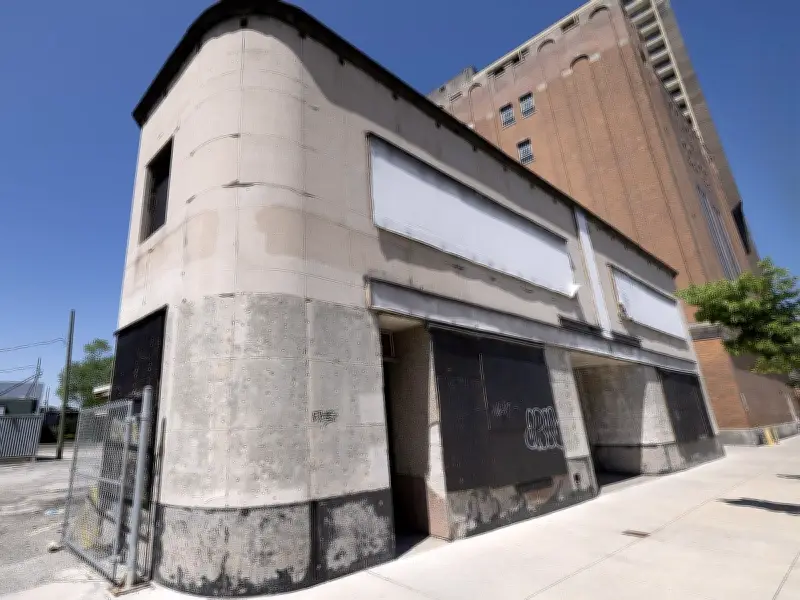
Downtown Windsor Councillor Renaldo Agostino is envisioning a new future for the former Greyhound bus depot, which was recently returned to the city by the University of Windsor due to maintenance costs.
Big Ideas for a Prime Location
Agostino expressed enthusiasm about reclaiming the property, stating, "I'm certainly happy to have it back and have lots and lots of ideas on what I'd like to see done with it." One concept he floated is transforming the space into a greenhouse. "It's in a great location, it's a great asset. I'm sure we could do something really special," he added.
According to the mayor's office, more details will emerge after city administration files a report and council discusses the matter. Agostino expects this conversation to take place at the next council meeting.

Parking Lot as a Fallback
If grander plans fail, Agostino noted the site could serve as a parking lot. "We're certainly always in need of more parking," he remarked.
History of the Property
The University of Windsor acquired the bus depot for $1, along with two other properties, in 2011. The goal was to expand the campus downtown and revitalize its creative arts faculties, with plans to demolish the depot and build facilities for the film production program. Originally, the university aimed for student use by fall 2014.
However, in 2017, university officials told the Windsor Star that plans remained undecided. The depot's location directly above the Windsor-Detroit Tunnel complicates construction, making it difficult to dig underneath and build substantial structures.
Financial Considerations
A letter to the University Board of Governors revealed that the school incurred $75,000 in capital costs, primarily for professional fees to assess the site's viability. Additionally, the university paid an annual operating cost of $20,000 to maintain the site, as per its agreement with the city.
The letter stated that these expenses, along with risks of property damage, led to the decision to terminate the licensing agreement. In an emailed statement, the university said, "Following a review of University priorities, it was determined that the property would not be required for any future initiatives. This decision reflects the University's commitment to fiscal discipline and directing resources toward mission-advancing priorities."
The university is currently facing a projected $7.4-million deficit for the 2026-27 year. Its operating budget report attributed the shortfall to cuts in the International Student Program, which led to a decline in international graduate enrolment and disrupted a significant revenue stream.