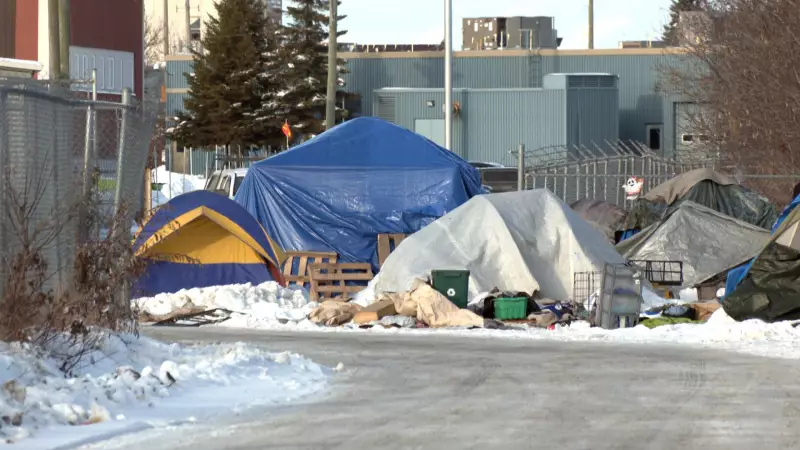
A decision by the provincial government to withdraw critical funding has brought plans for a managed homeless encampment in Timmins to an abrupt halt. The move leaves city officials scrambling to address the ongoing homelessness crisis as winter sets in across Northern Ontario.
Funding Reversal Scuttles Planned Site
The city of Timmins had identified a former sawmill location as a potential site for a permanent, managed encampment. This initiative was part of a strategy to relocate individuals from informal and often unsafe encampments scattered throughout the community. However, the project was entirely dependent on financial support from the provincial government.
That support was unexpectedly revoked, effectively freezing all progress on the planned site. The funding decision was confirmed on December 21, 2025, leaving local organizations and municipal leaders without the resources needed to proceed. The city must now return to the drawing board to find a viable solution for its most vulnerable residents.

Community Impact and Safety Concerns
The cancellation of the managed encampment plan exacerbates existing tensions within the community. Residents on streets like Spruce Street have previously reported significant safety concerns related to informal encampments, highlighting the urgent need for a structured approach.
Local service providers, including the Living Space shelter, are facing increased pressure. There had been discussions about potentially relocating the shelter, but the loss of funding for the encampment site complicates the broader strategy for homelessness services in the Cochrane district. The search for a new, suitable location continues, but without committed provincial dollars, options are severely limited.
Search for Solutions Continues
In the wake of the provincial decision, Timmins city officials are forced to re-evaluate their strategy. The immediate challenge is to provide safe, winterized options for people experiencing homelessness during the harsh Northern Ontario winter. The long-term goal of establishing a permanent, managed site remains, but its future is now uncertain.
This development underscores the fragile nature of municipal plans that rely on higher levels of government funding. For now, Timmins must explore alternative, likely more costly, local solutions or advocate fiercely for the restoration of provincial support to address this critical humanitarian issue.