Edmonton's Mounting Infrastructure Crisis: A $10 Billion Renewal Gap
Most Edmonton residents remain unaware that the city's infrastructure portfolio has ballooned to a replacement value approaching $40 billion, with transportation assets alone accounting for $24 billion of that total. This staggering figure represents what it would cost to rebuild everything from roads and bridges to LRT systems and recreational facilities at current prices.
The Hidden Cost of Growth and Neglect
Behind these impressive numbers lies a troubling reality: a significant portion of Edmonton's asset collection requires either complete replacement or substantial rehabilitation. The city has prioritized expansion and new construction over maintaining existing infrastructure, creating what administrators describe as a looming crisis.
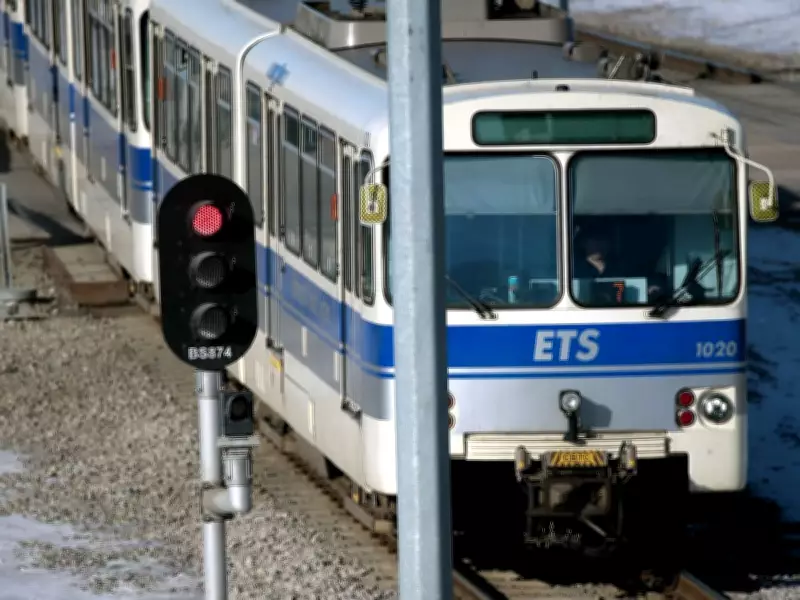
"Crumbling roads, leaky arenas, half-century-old LRT cars, and deteriorating bridges represent just the visible symptoms of a much deeper problem," explains the analysis. This pattern of deferring maintenance during financial constraints has created a perfect storm of infrastructure challenges.

A Sobering Financial Projection
City administrators recently presented council with alarming projections showing a $10 billion gap between ideal infrastructure renewal spending and available funding over the next decade. Even if Edmonton directed every unconstrained dollar toward refurbishment projects, leaving minimal resources for other municipal priorities, the city would still face a massive shortfall.
The long-term outlook appears even more concerning. When projected to 2046, with all available funding hypothetically allocated to renewal, approximately half of municipal assets would fall into "D" or "F" condition ratings according to city managers' forecasts.
Current Solutions Prove Insufficient
The municipality's current approach involves building a dedicated renewal fund through incremental 0.5 percent property tax increases, a strategy implemented by the previous council. However, administrators caution that even this systematic approach falls short of generating necessary revenue.
Their modeling suggests that while the renewal fund will provide some relief, 37 percent of city assets will still deteriorate into poor condition categories by 2046 under the current plan. This revelation underscores the scale of the challenge facing Edmonton's leadership.
Reimagining Infrastructure Priorities
The analysis points toward several critical conclusions for municipal decision-makers. Most fundamentally, Edmonton must dramatically rebalance infrastructure spending between new projects and maintaining existing assets, recognizing there is painfully little capacity to expand the city's asset base further.
City council will need to embrace what some call the "small is beautiful" philosophy, approving only modest new projects or those of critical importance while deferring "nice to have" proposals. This represents a significant shift from previous approaches that emphasized ribbon-cutting ceremonies and visible new construction.
The infrastructure challenge intersects with broader municipal finance concerns, including potential property tax increases that could exceed 40 percent by 2036 according to some city officials. As Edmonton continues to grow, the tension between maintaining what already exists and building what the city needs will only intensify without innovative solutions and difficult prioritization decisions.