Edmonton Mayor Expresses Deep Disappointment Over Police Chief's Israel Trip
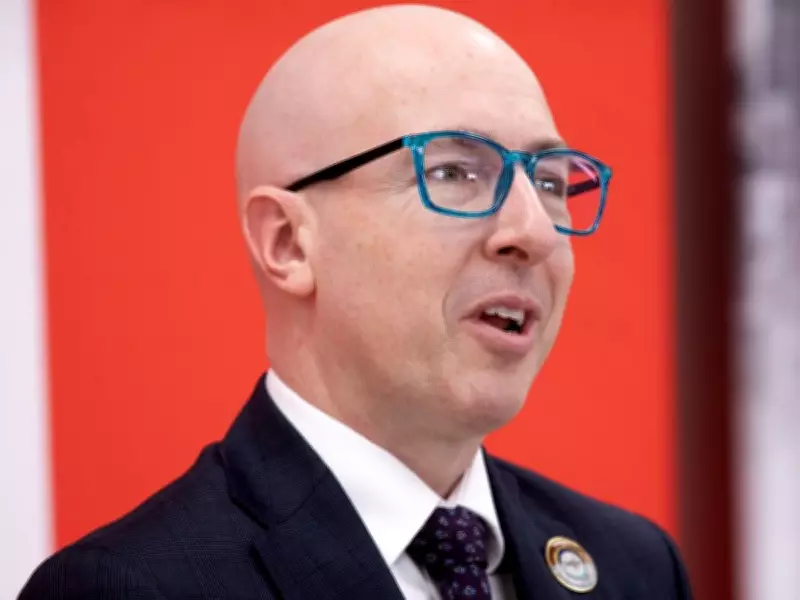
Edmonton Mayor Andrew Knack has publicly declared his "deeply disappointed and frustrated" reaction to Police Chief Warren Driechel's decision to travel to Israel as part of a policing delegation in February. The controversial trip has ignited significant debate among municipal leaders, with three city councillors joining the mayor in criticizing the move while another councillor highlighted what he called inconsistency in how international engagements are judged.
Community Impact and Trust Concerns
In a strongly worded statement, Mayor Knack emphasized the real-world consequences of such decisions, particularly for Edmontonians with connections to the ongoing conflict in the West Bank and Gaza. "For many Edmontonians, the violence in the West Bank and Gaza is not distant," Knack wrote. "Families in our community are grieving and are worried about loved ones who are living among unimaginable hardships."
The mayor specifically noted that "decisions like these cause real hurt, damage relationships with communities that already feel marginalized, and break trust" at a time when Islamophobia, anti-Palestinian racism, antisemitism, and hate toward marginalized communities are rising. Knack has requested that the police commission review its travel policies, especially considering active travel advisories and sanctions, and expects both police and commission officials to engage meaningfully with the community to repair damaged trust.

Councillor Points to Travel Inconsistency
Councillor Michael Elliott, who served as an Edmonton police staff sergeant until his election last year, defended Chief Driechel while calling attention to what he described as "inconsistency in how international engagement is judged." While not specifically referencing any particular trip, Elliott's comments came shortly after Mayor Knack's own January trade mission to China, a country whose treatment of Muslim minorities has been characterized as genocide by Canada's House of Commons.
This comparison highlights the complex political dynamics surrounding international travel by municipal officials and the varying standards applied to different destinations. The debate has exposed deeper questions about how elected officials and public servants should navigate international relationships amid global human rights concerns.
Community Reactions and Organizational Responses
The controversy emerged publicly when Knack, along with Councillors Erin Rutherford and Ashley Salvador, issued statements criticizing Driechel's trip. Their comments followed demands from the National Council of Canadian Muslims and approximately two dozen local Muslim groups that Driechel either answer questions about his Israel visit or resign from his position.
Meanwhile, the Jewish Federation of Edmonton condemned criticism of the police chief's trip, stating that "it's a fact that antisemitic extremism leverages anti-Israel activism as a platform to justify violence." This response illustrates the polarized perspectives within Edmonton's diverse communities regarding international engagements and their symbolic significance.
Purpose and Funding of the Delegation
Police Chief Warren Driechel participated in the Israel trip as part of a delegation organized by the Major Cities Chiefs Association, which funded the visit. According to police statements, the journey was "educational" in nature, with Driechel gaining insights into local policing in what was described as "a highly complex environment, including critical incident response, threat preparedness, and community engagement."
The police service emphasized the professional development aspects of the trip, framing it as an opportunity to enhance policing capabilities through international knowledge exchange. However, critics question whether the educational benefits outweigh the potential harm to community relations and trust in law enforcement institutions.

This ongoing controversy reflects broader tensions in municipal governance, where international engagements by public officials must balance professional development opportunities with sensitivity to community concerns and global human rights considerations. The debate continues as Edmonton leaders navigate these complex issues while attempting to maintain public trust across diverse constituencies.