Edmonton Councillor Advocates for Community Infrastructure Over New Roads
As Edmonton City Council prepares to deliberate on the municipal budget for the next four years, Councillor Michael Janz is making a bold proposal. He urges his colleagues to adopt a paraphrased version of a famous political pledge: "Read my lips: no new roads." This call comes as the city faces significant financial pressures and growing infrastructure needs.
The High Cost of Road Construction and Maintenance
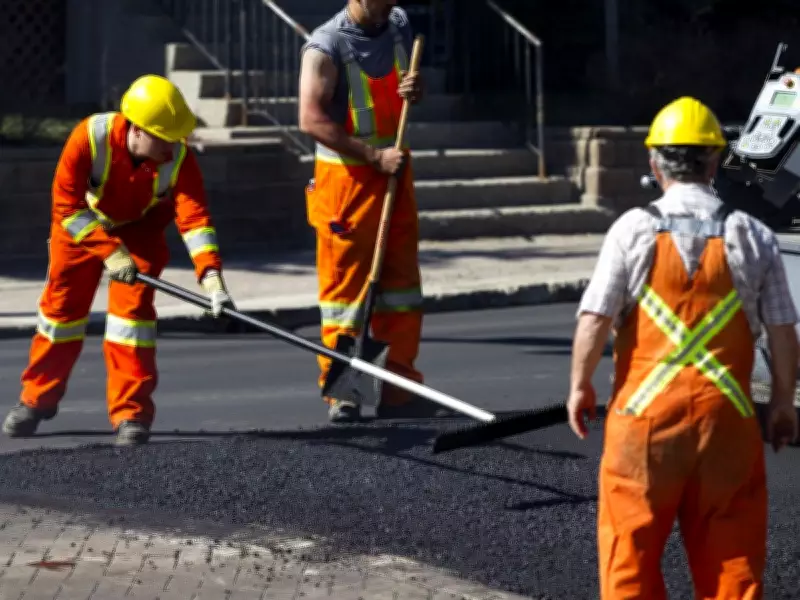
Janz highlights the staggering financial burden of road infrastructure. Maintaining a typical neighborhood road costs approximately $600,000 per kilometer over its 25-year lifespan, equating to $24,000 annually per kilometer, plus an initial construction cost of about $1.5 million. During the last four-year budget cycle from 2023 to 2026, Edmonton spent over $1 billion on constructing new roads and bridges.
That billion-dollar expenditure did not include the maintenance of existing roads. Pothole repairs, repaving, and road renewal added another $965.2 million to the budget. Combined, these costs represented 26 percent of the entire capital budget, totaling over $2 billion in the last four-year period.

Long-Term Financial Implications
Capital costs today translate into operating costs tomorrow. Funds spent on infrastructure projects are repaid through debt-servicing agreements, which are covered by monthly property tax bills as operating expenses. The financial strain doesn't end there. Beyond the $2 billion in new road spending, hundreds of millions more are required for ongoing operating expenses such as street sweeping, snow removal, signage, traffic lights, and pothole repairs.
Janz emphasizes that this massive allocation for roads is diverting resources from other critical community needs. The road budget is denying neighborhoods essential amenities like swimming pools, libraries, playgrounds, and alleyway repairs. It even jeopardizes the city's ability to properly maintain existing roadways.
Regional Usage and Funding Challenges
City data reveals that at least 30 percent of Edmonton's road users are not Edmonton taxpayers but regional commuters from areas like St. Albert, Sherwood Park, and Spruce Grove. These users benefit from roads constructed with Edmonton tax dollars without contributing to their cost. Additionally, provincial gas taxes do not cover these expenses, and successive provincial governments have reduced funding to municipalities, leaving Edmonton with far less financial support than in previous years.
The Ineffectiveness of New Road Construction
New road projects often prove self-defeating in addressing traffic congestion. For instance, after hundreds of millions of dollars were spent on the Terwillegar Drive expansion, the projected travel time reduction is only three minutes in both peak directions. This phenomenon is explained by the scientific concept of "induced demand," which demonstrates that new roads fail to reduce traffic because they generate additional demand, leading to calls for "one more lane" and further increasing taxes.
A Call for Prioritization
As residents navigate spring potholes, Janz argues it is past time to prioritize maintaining existing infrastructure over building new roads. He suggests that even if a permanent moratorium on new roads isn't feasible, the city needs to say no to such projects for now. The funds saved could be redirected toward building community facilities, with the billion dollars spent on new roads in the last budget cycle equating to four entirely new Terwillegar recreation centers or 40 new public elementary schools.
Janz's proposal challenges Edmonton to rethink its infrastructure priorities, advocating for investments that directly enhance community well-being rather than expanding a road network that benefits regional users at the expense of local taxpayers.