Developers in Waterloo Region are raising urgent concerns with local government, warning that significant delays in securing water and wastewater servicing capacity are bringing vital housing projects to a standstill. They describe the situation as a critical bottleneck that threatens the area's growth and housing supply goals.
A Critical Bottleneck for Housing Development
The core of the issue lies in the approval process for Servicing Allocation Memorandums (SAMs). These documents are essential for new developments, as they confirm that a project has been allocated the necessary capacity from municipal water and wastewater systems. Developers report that obtaining these SAMs from the Region of Waterloo is now taking between 12 to 18 months, a timeline they say is unsustainable and causing major project delays.
This bureaucratic slowdown comes at a time when all levels of government are pushing to accelerate housing construction to address the national affordability crisis. The developers' frustration was formally presented to the Region's Planning and Works Committee, highlighting the direct conflict between policy goals and on-the-ground administrative hurdles.

Infrastructure Strain at the Mannheim Facility
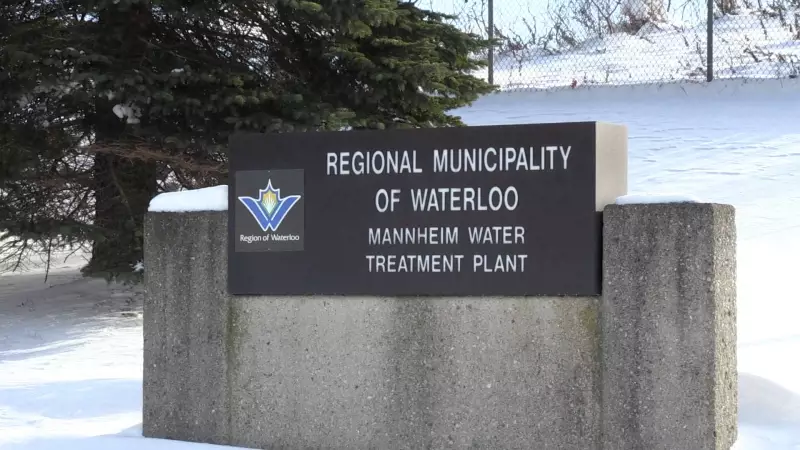
The capacity constraints are not merely procedural; they are tied to tangible limits in the region's infrastructure. A focal point of the challenge is the Mannheim Reservoir and Pumping Station in Kitchener. This key facility, photographed in December 2025, is operating near its limits.
Regional staff have acknowledged that the current delays are partly due to the need for detailed analysis of how new developments will impact specific infrastructure components, like the Mannheim station. They emphasize that ensuring the long-term reliability and safety of the water system is paramount, which requires careful planning and assessment before new allocations are granted.
The Region has initiated a Master Servicing Plan study, expected to be completed by the end of 2026, which aims to provide a clearer, long-term roadmap for water and wastewater expansion. However, developers argue that the immediate delays are creating an acute crisis that cannot wait for a future study.
Broader Implications for Growth and Community
The consequences of this logjam extend far beyond construction timelines. Prolonged delays increase carrying costs for developers, which can ultimately be passed on to homebuyers, counteracting affordability efforts. They also risk stifling economic growth and preventing families from finding homes in a timely manner.
While the Region maintains that thorough due diligence is necessary for sustainable growth, the development community is pressing for more streamlined processes and interim solutions. They are calling for improved communication, clearer timelines, and a more urgent approach to resolving the capacity constraints that are holding back projects already in the pipeline.
This standoff underscores a fundamental challenge facing fast-growing municipalities across Canada: aligning the pace of infrastructure planning and approval with the urgent demand for new housing. The resolution in Waterloo Region will likely serve as a case study for other communities grappling with similar growth pressures.