Officials in Chatham-Kent have confirmed the death of an individual residing in the municipality's transitional cabin program, a housing initiative designed to support people experiencing homelessness.
Details of the Incident
The death was reported on December 5, 2025. The individual was a resident of the community's tiny cabin project, which provides basic, temporary shelter. The specific cause and circumstances surrounding the death have not been publicly released by authorities and are likely part of an ongoing investigation.
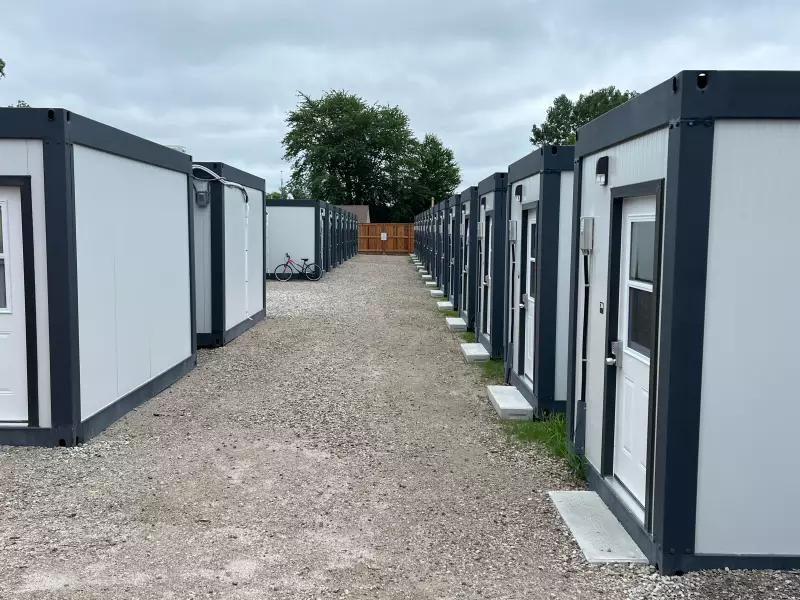
The transitional cabin program in Chatham-Kent, featuring small, standalone units, was launched as a measure to address local homelessness. A photo of the cabins taken on August 20, 2025, by Chris Campbell of CTV News Windsor, shows the simple structures intended to offer a more stable alternative to emergency shelters or outdoor encampments.

Context of the Housing Initiative
These tiny cabins represent a growing approach in several Canadian municipalities to create immediate, low-barrier housing options. The goal of such programs is to provide a safe, private space for individuals while they connect with support services and work toward securing permanent housing.
The death of a resident within this supportive housing model highlights the complex and often severe challenges faced by the homeless population, which can include underlying health issues, mental health crises, and addiction.
Official Response and Next Steps
Chatham-Kent officials have acknowledged the death but have not provided further comment on the specific case, citing privacy considerations. The tragedy is expected to prompt a review of the support and safety protocols in place for residents of the transitional housing community.
Community advocates often stress that while transitional housing is a critical step, sustained funding for wraparound health and social services is essential for the long-term well-being of vulnerable residents. This incident underscores the urgent and multifaceted nature of the homelessness crisis in communities across Ontario and Canada.