London Councillor Cleared in TikTok Video Investigation
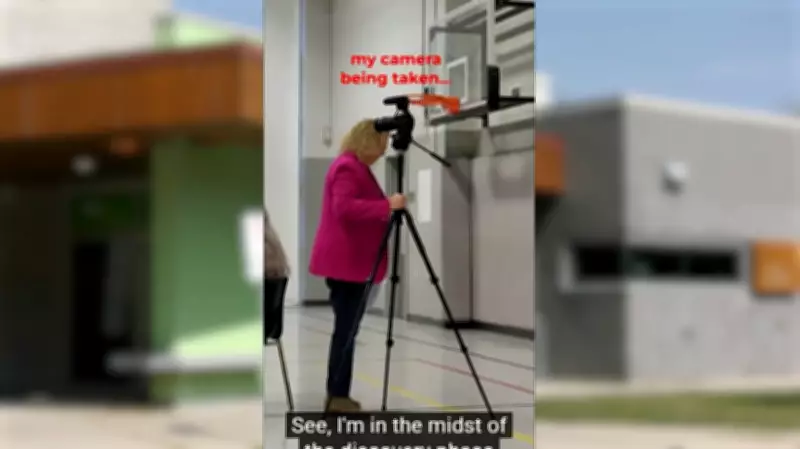
The Integrity Commissioner has exonerated London Councillor Susan Stevenson following a formal complaint lodged by a social media influencer regarding her actions during a 2025 town hall meeting. The complaint stemmed from a viral TikTok video that captured the councillor's conduct at the public event, sparking widespread discussion online.
Investigation Details and Findings
According to the official report released by the Integrity Commissioner's office, the investigation thoroughly examined the circumstances surrounding the town hall meeting and the subsequent social media content. The commissioner determined that Councillor Stevenson's behavior did not violate any municipal codes of conduct or ethical guidelines.
The complaint was filed by an influencer who attended the town hall and later shared video footage on TikTok that garnered significant attention. The Integrity Commissioner's office reviewed the complete context of the interaction, including pre-meeting communications and the full recording of the event, rather than relying solely on the edited social media clip.

Councillor's Response and Community Impact
Councillor Stevenson expressed relief at the investigation's outcome, stating she had cooperated fully with the Integrity Commissioner's inquiry. "I have always strived to conduct myself with integrity and respect for all constituents," Stevenson commented following the report's release. "This thorough investigation confirms that my actions were appropriate within the context of a robust democratic discussion."
The viral nature of the TikTok video had created considerable public debate about appropriate conduct for elected officials during public forums. Some community members had expressed concern about how social media snippets might present incomplete narratives, while others argued for greater transparency in all government interactions.
Broader Implications for Digital Governance
This case highlights the growing intersection between traditional governance and digital media platforms. As more citizens use social media to document and share their interactions with public officials, municipal integrity bodies face new challenges in evaluating complaints that originate from edited or contextually limited online content.
The Integrity Commissioner's report noted that while social media can serve as a valuable tool for public accountability, it also requires careful contextual analysis when evaluating potential code of conduct violations. The office emphasized the importance of considering complete records rather than isolated clips when assessing official behavior.
This ruling establishes a precedent for how similar cases might be handled in the future, particularly as smartphone recording and social media sharing become increasingly commonplace at public meetings across municipalities.