Mayor Chow's Winter Proposals Generate Political Heat in Toronto
Toronto Mayor Olivia Chow has ignited a political storm with unconventional winter proposals that critics are calling distraction tactics ahead of October's municipal election. As Chow's executive committee prepares to meet, the agenda includes controversial items like paid snow shovelling programs and outdoor professional hockey games that have drawn both attention and skepticism.
Unconventional Agenda Items Raise Eyebrows
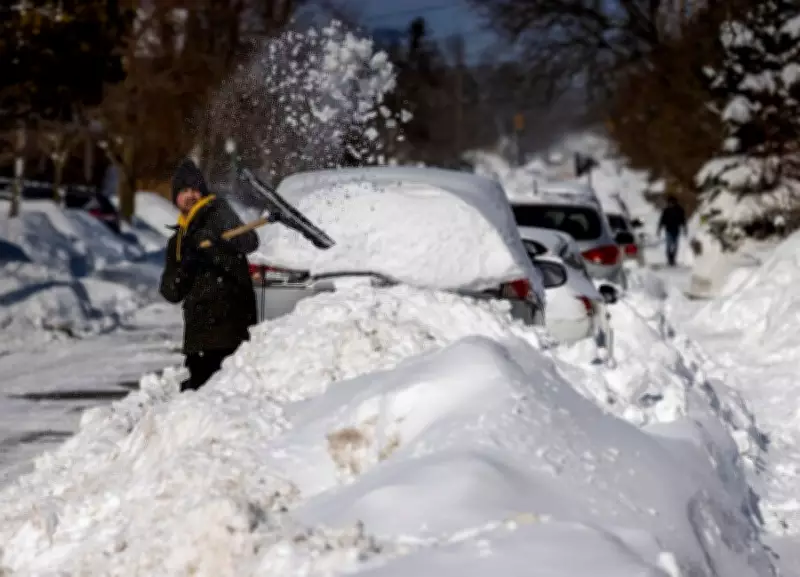
The mayor is advocating for significant changes to Toronto's approach to winter management, including a proposal that would see the city pay residents to shovel snow. Additionally, Chow is pushing for modifications to the city's sidewalk garbage contract and supporting Deputy Mayor Paul Ainslie's proposal for an outdoor NHL game at Rogers Centre.
What makes these proposals particularly noteworthy is their announcement method. Rather than following the standard procedure of quietly posting items to the online agenda, Chow's office first revealed these initiatives through media channels. Shirven Rezvany, a representative for Chow's office, explained to the Toronto Sun that the snow clearing proposal missed the submission deadline and was therefore sent directly to Toronto's "media gallery."

Political Timing Under Scrutiny
The timing of these announcements has raised questions about political motivations. The snow-shovelling letter was dated March 3, coinciding with former mayor John Tory's announcement that he would not be seeking Chow's office in the upcoming election. This development is widely viewed as advantageous to Councillor Brad Bradford, who had previously declared his mayoral candidacy.
Bradford wasted no time in criticizing Chow's approach, suggesting the mayor is attempting to distract voters from more substantial issues. "Mayor Chow can try putting shiny objects on the agenda to distract Torontonians, but people won't forget that she has raised taxes by 25% without services getting better – or that she's drained the city's reserves this year for her re-election campaign in the fall," Bradford stated in a communication to the Sun.
Precedents and Practical Concerns
Chow's snow shovelling proposal references similar programs in New York City, which the mayor cites as successful models. However, the New York initiative has faced criticism and even ridicule, with a New York Post report deriding the "snowcialism" program for requiring five forms of identification for participants.
The outdoor hockey proposal has also raised questions about municipal government priorities. Rezvany acknowledged that Ainslie's hockey motion might have been better suited as a member's motion rather than an executive committee item. The proposal envisions a game at Rogers Centre with the roof open, potentially in 2027 to commemorate the 100th anniversary of the Toronto Maple Leafs franchise.
Mixed Reactions and Broader Context
This month's executive committee meeting marks the first since December 9, following the holiday break and the lengthy city budget process for 2026. The backlog includes various proposals, some of which critics argue don't require the attention of the powerful executive committee.
Amid the controversy, Chow will also use the meeting to highlight positive developments, including a $1.4 million award from Bloomberg Philanthropies for the city's school food program. The mayor emphasized this achievement in another letter to the executive committee, noting that her 2026 budget included a $7-million expansion of school food programs to additional schools and students.
The political landscape in Toronto continues to evolve as municipal elections approach, with Chow's winter proposals serving as the latest flashpoint in what promises to be a contentious campaign season. As residents navigate both literal and political snowstorms, the debate over municipal priorities and election-year tactics shows no signs of melting away.