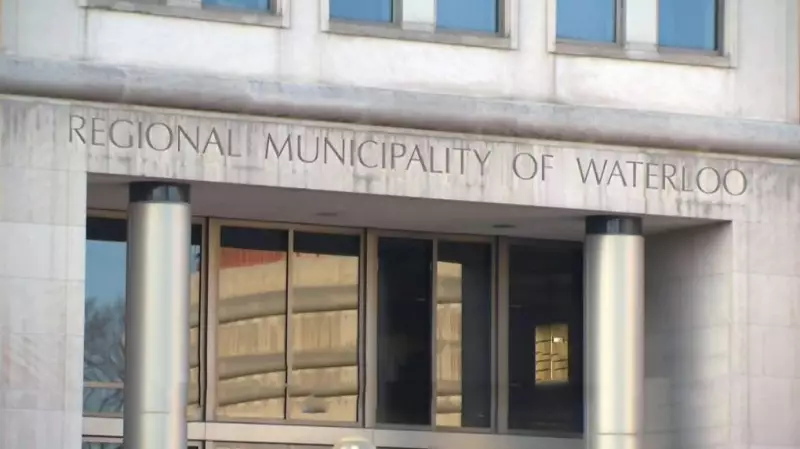
A recent meeting of the Region of Waterloo council descended into acrimony and accusations after a councillor's last-minute decision to change their vote, an act some members have labeled a 'mockery of democracy.' The incident, which occurred during a session on Tuesday, December 16, 2025, has exposed deep divisions within the regional government and raised questions about procedural integrity.
The Controversial Vote Change
The specific details of the motion being voted on were not disclosed in the initial report, but the fallout from the altered vote was clear and immediate. According to journalist Shelby Knox, who reported on the event, a councillor initially cast a vote one way before switching their position. This reversal appears to have directly influenced the outcome of a closely contested decision. The procedural move left several fellow council members furious, arguing that it undermined the transparency and fairness of the council's decision-making process.
The atmosphere in the council chamber grew tense as the implications of the changed vote became apparent. Critics of the move argued that such actions, especially on significant matters, erode public trust in local institutions. They contended that votes should be cast with conviction and consistency, not altered in a manner that suggests external pressure or strategic maneuvering at the expense of principled governance.

Reactions and Accusations of Undermining Process
The strongest condemnation came from councillors who felt the process was disrespected. One member explicitly denounced the act as making a mockery of democratic principles. This sentiment highlights a broader concern about accountability and the rules of order within municipal politics. The incident suggests that unspoken norms about vote-changing, particularly after a result seems apparent, were violated, leading to the intense reaction.
Proponents of the councillor's right to change their vote might cite procedural rules that occasionally allow for such actions before a result is formally finalized. However, the timing and impact of this particular change transformed it from a minor procedural note into a major political flashpoint. The debate is less about the technical legality and more about the perceived ethical breach and its consequences for council cohesion and public perception.
Implications for Regional Governance and Public Trust
This event is likely to have lasting repercussions for the Region of Waterloo council. Firstly, it may lead to calls for a formal review or tightening of the procedural bylaws governing how and when votes can be changed during meetings. Secondly, the public division among elected officials could hamper future collaboration on critical regional issues, from housing and transportation to public health and budgeting.
Ultimately, the controversy serves as a stark reminder of the fragility of democratic norms at all levels of government. For residents of Waterloo Region, the incident raises important questions about the stability and reliability of their local leadership. The council now faces the dual challenge of addressing the internal rift while working to rebuild any public confidence that was shaken by the very public dispute over the integrity of their voting process.