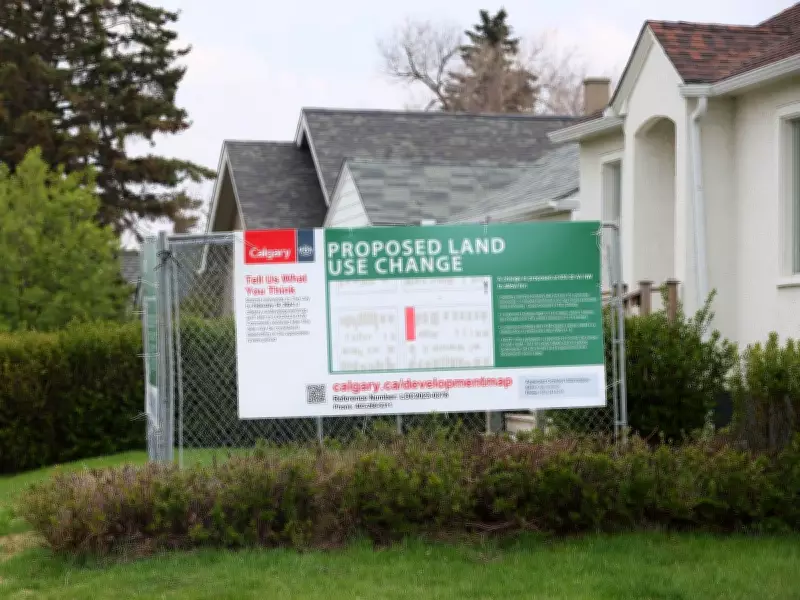
In a move that was widely anticipated, Calgary city council voted last week to repeal the blanket rezoning policy implemented by their predecessors. This decision marks a significant shift in the city's approach to housing density, particularly in established neighbourhoods, and sets the stage for renewed political grappling over urban development rules.
The Backdrop of Discontent
Bubbling discontent over the previous rezoning changes played a pivotal role in shaping the campaigns leading up to October's civic election. Many current council members, including Mayor Jeromy Farkas, had openly promised to revisit housing policies in older areas, responding to public concerns about unchecked development. This repeal fulfills those campaign pledges but leaves the city at a crossroads, with officials now tasked with crafting new regulations that balance growth with community interests.
Searching for a New Solution
Even with the housing policy reset, a consensus remains among councillors and the mayor that Calgary still requires improved rules to govern growth in older neighbourhoods. As they embark on this search for a solution that minimizes public dissatisfaction, they confront constraints strikingly similar to those faced before. There is a persistent desire to allow for housing options beyond small, single-family homes on large lots, especially in areas close to commercial zones, transit hubs, and major bus and CTrain corridors.

Potential adjustments under consideration include tweaking maximum building heights and lot coverage, as well as limiting where row housing is permitted by default. However, the pathways to achieve these goals are limited, echoing the complexities that have long plagued urban planning debates in the city.
Lessons from the Past
It is crucial to remember that under the old zoning policy, which Calgary is now reverting to, rezoning a residential parcel to replace a single-family home with other low-density housing was always possible. This process merely required an additional public hearing, through which the vast majority of applications passed without issue. In retrospect, the removal of this seldom-used safety valve appears to have generated more concern than the actual issue of densification itself.
Misconceptions and Realities
The previous council's blanket rezoning policy led to widespread misconceptions, giving many residents the mistaken impression that it would be open season for unrestricted construction in every established neighbourhood, devoid of guardrails or public input. In reality, such a scenario was never the case under the law. For instance, a proposal for a multi-story tower nestled between single-family homes in quiet areas like Haysboro or Charleswood would have necessitated a public hearing, likely resulting in rejection.
As the current council navigates this difficult balancing act, there is a pressing need to make it crystal clear that new zoning rules do not equate to a laissez-faire attitude toward home construction. Clarity and transparency will be key to rebuilding public trust and ensuring that future policies are both effective and acceptable to the community.
The Challenge of NIMBYism
Many speakers at recent public hearings on blanket rezoning expressed support for increased housing density—provided it occurred somewhere other than their own neighbourhoods. This "not in my backyard" (NIMBY) sentiment presents an impossible request for the city to fulfill. If everyone insists that density policies apply elsewhere, the result is effectively no application at all, stalling progress on much-needed housing solutions.
Moving forward, Calgary's leaders must address these conflicting desires head-on, striving to develop equitable rules that promote sustainable growth while respecting community voices. The repeal of blanket rezoning is just the beginning of a complex journey toward a more balanced urban future.