Calgary's Water Governance Crisis: Why Structural Reform Is Essential After Bearspaw Failure
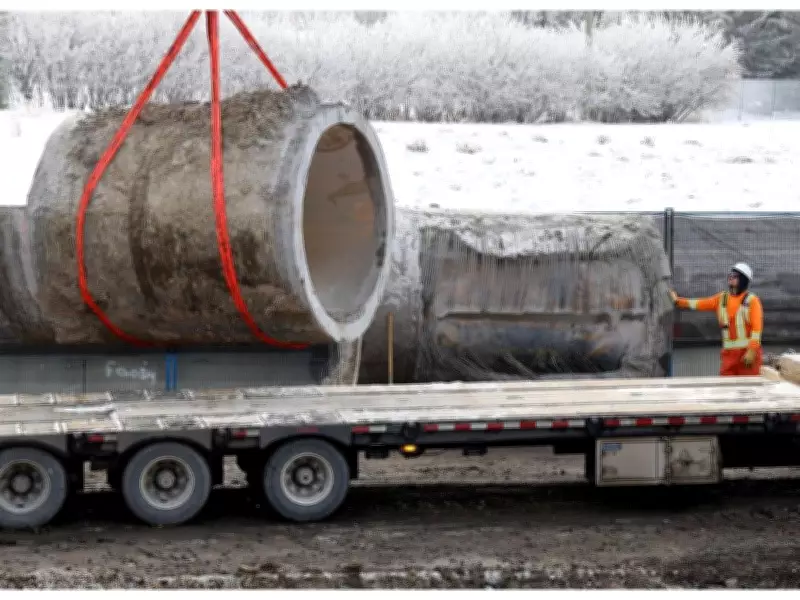
The catastrophic failure of Calgary's Bearspaw South feeder main represents more than just a physical infrastructure breakdown—it reveals a profound governance failure that demands immediate attention and structural reform. As the city moves forward with replacing the damaged pipeline, experts argue that addressing the underlying governance issues is crucial for preventing similar crises in the future.
The Gap Between Knowledge and Action
The independent review panel investigating the Bearspaw incident made a clear and troubling finding: the risks associated with Calgary's aging water infrastructure were well-documented and understood for years before the failure occurred. Despite this knowledge, these risks never translated into sustained, meaningful action to address the vulnerabilities.
This disconnect between awareness and implementation isn't merely a technical oversight—it represents a fundamental structural problem within Calgary's municipal governance framework. The panel's findings suggest that the existing oversight model failed to reliably communicate critical risk information in a manner that would compel decisive action from decision-makers.

Municipal Governance Challenges
Public statements from both current and former members of Calgary's city council reinforce this conclusion. Several council members have acknowledged they were either unaware or insufficiently informed about the severity of maintenance and operational risks associated with the feeder main before its catastrophic failure.
This information gap is particularly concerning given the realities of municipal governance in Calgary. Following the 2021 municipal election, a majority of council members were either newly elected or lacked previous council experience. This situation was further complicated by the October 2025 election, which resulted in 10 of 14 councillors being newly elected.
The steep learning curve required to become an effective councillor, combined with repeated turnover, creates significant challenges for maintaining continuity in oversight—especially for highly specialized, long-cycle infrastructure projects like water management systems.
The Case for Governance Reform
In response to these challenges, the independent review panel recommended a fundamental change in how Calgary governs its water utility. The panel concluded that establishing a municipally controlled corporation (MCC), similar to Edmonton's Epcor model, represents the most suitable long-term structure for Calgary's water management.
Under this proposed model, the water utility would become a separate legal entity wholly owned by the city but governed by an independent board of directors. This structure would maintain public accountability through continued city ownership while introducing more consistent, expert-driven governance.
Financial and Operational Advantages
The panel highlighted several practical advantages of transitioning to an MCC model. One significant benefit would be the creation of a standalone balance sheet for the water utility, meaning water-related debt would no longer sit on the city's broader balance sheet.
This financial distinction becomes increasingly important in an era of mounting infrastructure needs and constrained municipal finances. By separating water utility finances from the city's general accounts, Calgary could potentially access different funding mechanisms and create more sustainable financial planning for long-term infrastructure maintenance and upgrades.
Addressing Accountability Concerns
Some critics have raised concerns about moving away from direct elected oversight of water utilities. However, it's important to clarify that an MCC model doesn't eliminate democratic accountability—it restructures how that accountability functions.
Under the proposed system, city council would retain ownership of the utility while setting policy direction, approving financial frameworks, and appointing board members. The key change would be shifting from episodic reporting to continuous, long-term planning and expert governance, potentially creating more effective oversight of complex infrastructure systems.

As Calgary continues its recovery from the Bearspaw feeder main failure, the conversation must extend beyond immediate repairs to address the governance structures that allowed this crisis to develop. The independent panel's recommendations offer a pathway toward more resilient, sustainable water management—but implementing these changes will require political will and public understanding of why structural reform is necessary.