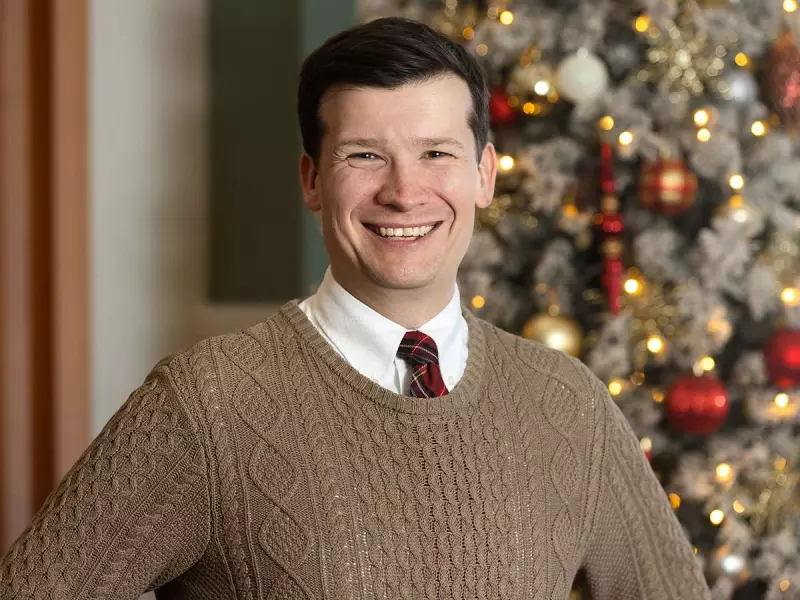
Calgary Mayor Jeromy Farkas has declared a mission for the coming year: to make municipal governance less dramatic and more focused on delivering fundamental services to residents. As council prepares to set its priorities for the 2026 four-year fiscal plan, Farkas emphasized that discussions must center on managing the city's ongoing growth and its basic operational needs.
A Call for Pragmatism Over Politics
In a year-end interview, Mayor Farkas stated that he and the council were elected primarily to collaborate with city administration on providing essential municipal programs. He pointed to everyday concerns like pothole repair, snow clearing, and garbage collection as the core responsibilities of local government.
"We are doing better when Calgarians don’t have to worry about those services being provided," Farkas remarked. He outlined the council's focus as driving city administration toward higher performance while intentionally lowering the temperature on the contentious debates that characterized previous council terms.

Building on a Positive Start with a New Council
The mayor's call for a return to basics follows a significant political year. Farkas, a former Ward 11 councillor, secured a razor-thin victory in the October 20 mayoral election, defeating incumbent Sonya Sharp in a race so close it required a recount. This marked the first time since 1980 that a Calgary incumbent mayor lost to a challenger.
Farkas now leads a council featuring 10 first-time councillors. Despite the group's collective political inexperience, he believes they have begun strongly. He cited early accomplishments, including passing a 2026 budget with a lower property tax increase than initially proposed and initiating a motion to repeal blanket rezoning.
"We’ve shown significant progress on all of those major priorities that Calgary has elected us on — namely, housing, safety, affordability, as well as trust and pulling together council as a team," Farkas said.
A Council United on Service, Not Divided by Ideology
Farkas argued that the current council's dynamic is notably collaborative. He observed that traditional political and geographic divides have not materialized, fostering a pragmatic working environment.
"Right now in this council, you do not see a liberal versus conservative split. You don’t see a downtown versus suburban split," Farkas explained. "You see a very pragmatic group of individuals who are working together as a team alongside city administration to get things done for Calgarians."
He acknowledged that while some votes have been close, there has been a consistent willingness among members to continue working together to find solutions. As Calgary looks toward 2026 and the critical task of long-term fiscal planning, Mayor Farkas's vision is clear: a competent, drama-free administration focused on the services that impact citizens' daily lives.