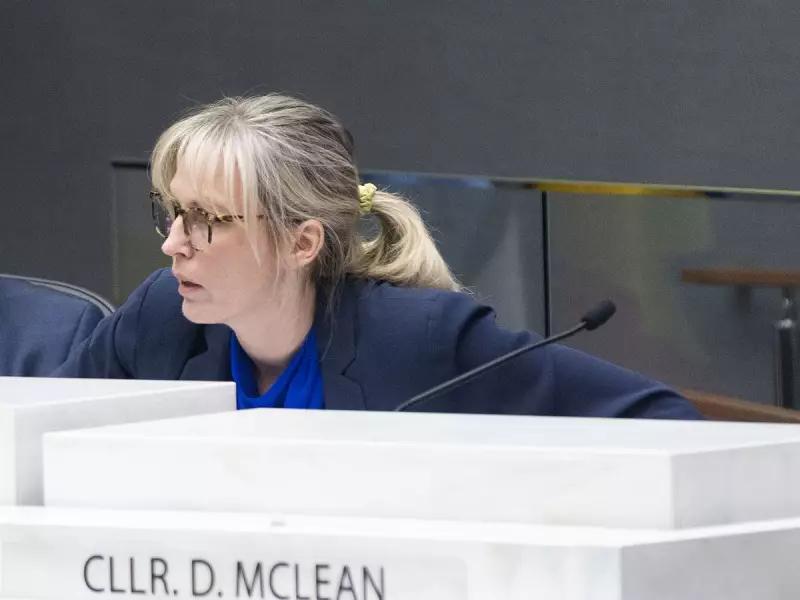
In a striking critique of a recently completed investigation, Calgary Ward 2 Councillor Jennifer Wyness has dismissed a $2-million independent review into the 2024 rupture of the Bearspaw south feeder main, comparing the extensive report to a superficial "AI summary" of previous work.
A Report Released Amid Crisis
The nine-month review, led by retired ATCO executive Siegfried Kiefer, was expedited and presented to council on Wednesday, January 7, 2026. This special meeting was called by Mayor Jeromy Farkas following a second major break in the same critical water pipe on December 30, 2025, while the city was still grappling with the emergency.
Councillor Wyness voiced strong objections to the timing of the discussion. She argued that the council's primary focus should be on restoring the pipe to full operation, mirroring the successful response of the previous council, before conducting a deep dive into past failures. "We need to actually get the pipe operational, like the last council did, before we start looking at what went wrong," Wyness stated to reporters.

Findings and a Hefty Price Tag
The 86-page Kiefer report concluded that the City of Calgary had mismanaged its water assets for two decades. The panel identified a pattern of deferred investment and neglected inspections on essential infrastructure, including the Bearspaw south feeder main.
Despite the report's detailed findings, Wyness questioned its value, suggesting it largely aggregated information from studies commissioned immediately after the 2024 incident. She also criticized the process, noting councillors received the voluminous document late on Tuesday night, leaving little time for proper review before the Wednesday meeting. "Why is this council accepting reports at 9 p.m. where we’ve barely read it and barely slept? This is poor governance," she said.
Major Recommendations and Council's Response
The independent panel put forward significant recommendations for systemic change, including:
- Establishing an independent water utility oversight board staffed by infrastructure experts.
- Ultimately corporatizing the city’s water services under a standalone, city-owned entity, similar to the model used for Enmax.
Kiefer defended this approach, stating, "I think the operation of a critical city utility warrants the correct oversight that can be achieved through a corporate-like structure."
During the lengthy meeting, council voted unanimously to direct city administration to develop an implementation plan and budget for the panel's proposals, with a report due back to the executive committee on February 3, 2026.
While many of her colleagues appeared ready to endorse the recommendations, Wyness cautioned against a knee-jerk reaction driven by the ongoing crisis. In a formal statement, she emphasized that "the core principles of governance still apply," and warned that a lack of due diligence could expose the city to further risk.