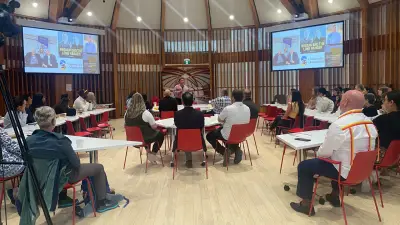
The British Columbia government has halted a binding referendum on the proposed merger of Victoria and Saanich, ending a process that began with a 48-member citizens' assembly. The decision was announced by the provincial government on June 24, 2026, after the Victoria-Saanich Citizens’ Assembly spent eight months studying the issue and recommended amalgamation.
Citizens' assembly recommendation
The assembly, composed of randomly selected residents, concluded that merging the two municipalities would lead to cost savings and more efficient service delivery. However, the province decided not to proceed with a binding vote, citing the need for further consultation and analysis of the potential impacts.
Municipal Affairs Minister Anne Kang stated, "While we respect the work of the citizens' assembly, we believe more time is needed to fully understand the implications of such a significant change for residents." The decision has drawn mixed reactions from local leaders and community groups.

Impact on local governance
The cancellation of the referendum means that Victoria and Saanich will remain separate entities for the foreseeable future. Supporters of the merger argue that it could reduce duplication of services and lower property taxes, while opponents expressed concerns about loss of local identity and representation.
Victoria Mayor Marianne Alto expressed disappointment, saying, "We had hoped to give residents a direct voice on this important issue. The citizens' assembly did thorough work, and it's unfortunate we won't be moving forward with a vote." Saanich Mayor Dean Murdock noted that the decision allows more time to address community concerns.
The province has not ruled out future referendums on amalgamation, but no timeline has been provided.