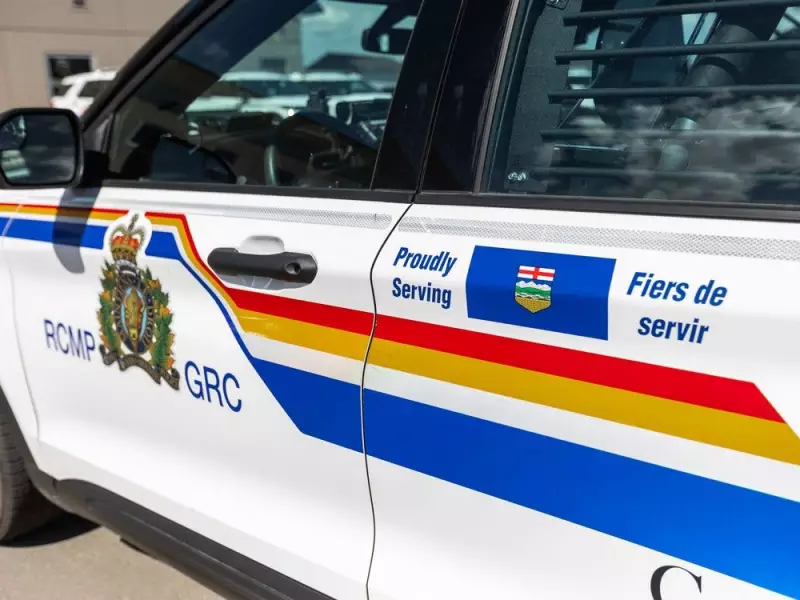
Small towns and villages across Alberta are raising the alarm over a new provincial police funding model that will significantly increase their financial burden for RCMP services. The United Conservative Party (UCP) government announced the formula on Thursday, December 19, 2025, setting off concerns about fiscal sustainability in communities already grappling with tight budgets.
Financial Burden Shifts to Small Communities
Under the new Provincial Police Service Agreement, municipalities with populations under 5,000 will be responsible for covering 22 per cent of policing costs in the 2026-27 fiscal year. This share is not static; it is scheduled to climb to 30 per cent over the following five years. The costs primarily relate to contracting the Royal Canadian Mounted Police (RCMP) for local detachments.
The provincial government defends the model, stating it provides much-needed transparency and predictability for long-term municipal planning. Public Safety and Emergency Services Minister Mike Ellis argued the previous formula had become unsustainable. "Costs have outpaced the original formula, meaning communities currently pay less than their intended share," Ellis said. "These updates align municipal contributions with current costs and ensure every dollar collected goes directly to front-line policing in rural communities."

Provincial Rationale and Municipal Pushback
The Ministry of Public Safety and Emergency Services cited a 57 per cent increase in policing expenses for smaller communities as a key driver for the change. This surge is attributed to higher costs from recent RCMP collective agreements, general inflation, and funding for additional police positions. Despite the increased cost, the province notes there have been no significant changes to service levels.
To soften the immediate impact, the Alberta government says it will bridge the funding gap with nearly $32 million in projected support for rural police services in 2026-27.
However, the announcement has been met with frustration by municipal leaders. The advocacy group Alberta Municipalities, which represents towns, villages, and cities across the province, criticized both the timing and the lack of meaningful consultation. Many member municipalities had already finalized their 2026 budgets when the new model was unveiled.
Principle of "Say with Pay" Violated, Says Association
Dylan Bressey, President of Alberta Municipalities, emphasized that the core principle of "say with pay" has been ignored. "In this instance, the provincial government prioritized payment over governance," Bressey stated in a press release. "To date, municipalities have not had the input necessary to have confidence that their financial contributions are improving local community safety."
While rural communities are still analyzing the full, long-term implications of the new cost-sharing framework, the initial reaction underscores a significant tension. Municipal leaders feel they are being handed a larger bill for a service over which they have limited control, at a time when many are facing other financial pressures.
The coming years will test the model's viability as small municipalities adjust their budgets and seek clarity on how the increased financial investment will translate into tangible improvements in community safety and policing resources.