Witnesses Take Stand in Montreal Defamation Case Involving Cardinal Marc Ouellet
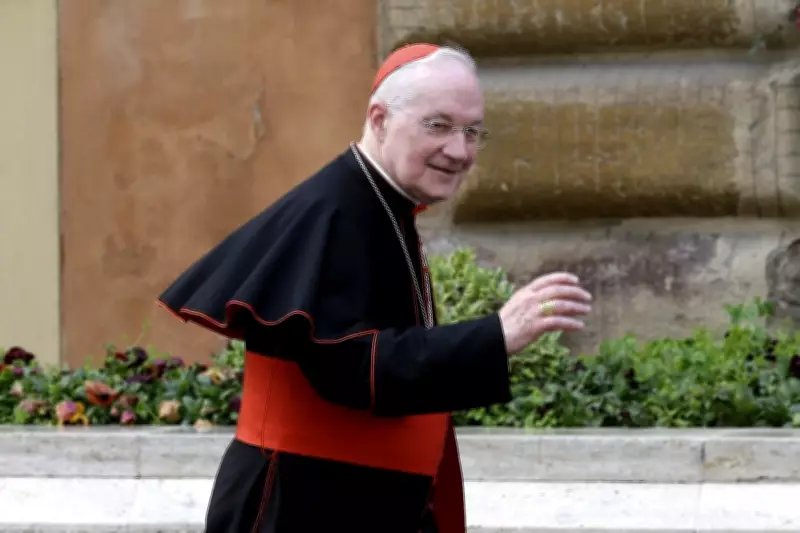
A civil defamation trial involving Cardinal Marc Ouellet, a prominent Quebec religious figure, is underway in Montreal, with witnesses being called to testify. The lawsuit, filed by Ouellet against an individual who accused him of misconduct, has drawn significant attention due to its implications for both legal and religious communities.
Background of the Legal Dispute
Cardinal Marc Ouellet, formerly a high-ranking official at the Vatican, initiated the defamation case in response to allegations made against him. The accuser, whose identity is protected in court proceedings, claimed that Ouellet engaged in inappropriate behavior, leading to a public dispute. Ouellet has vehemently denied these allegations, arguing that they have damaged his reputation and caused emotional distress.
The trial, which began recently, is being held in a Montreal civil court. It focuses on whether the statements made by the accuser constitute defamation under Quebec law, which requires proof of falsehood, harm, and negligence. Witnesses are being summoned to provide testimony that could shed light on the events in question and the credibility of both parties.

Key Testimonies and Legal Arguments
During the proceedings, witnesses have included individuals close to both Ouellet and the accuser, as well as experts in relevant fields. Their testimonies aim to establish the context of the allegations and assess the impact on Ouellet's standing within the Catholic Church and broader society.
Ouellet's legal team argues that the accusations are baseless and have led to unwarranted public scrutiny, affecting his ability to serve in his religious role. They emphasize that defamation laws exist to protect individuals from false statements that can cause reputational harm.
In contrast, the defense for the accuser contends that the statements were made in good faith, based on personal experiences, and are protected under freedom of expression. They may also highlight broader issues of accountability within religious institutions.
Implications and Broader Context
This trial occurs against a backdrop of increasing scrutiny on how institutions handle allegations of misconduct. It raises questions about the balance between protecting reputations and allowing victims to speak out. The outcome could set a precedent for similar cases in Quebec and beyond, influencing how defamation is interpreted in contexts involving high-profile figures.
Observers note that the case has sparked discussions about transparency and justice within religious organizations. Regardless of the verdict, it is likely to have lasting effects on Ouellet's legacy and the public's perception of such disputes.
The trial is expected to continue for several weeks, with more witnesses scheduled to appear. Legal experts predict that the decision will hinge on the evidence presented and the court's interpretation of defamation standards in civil law.