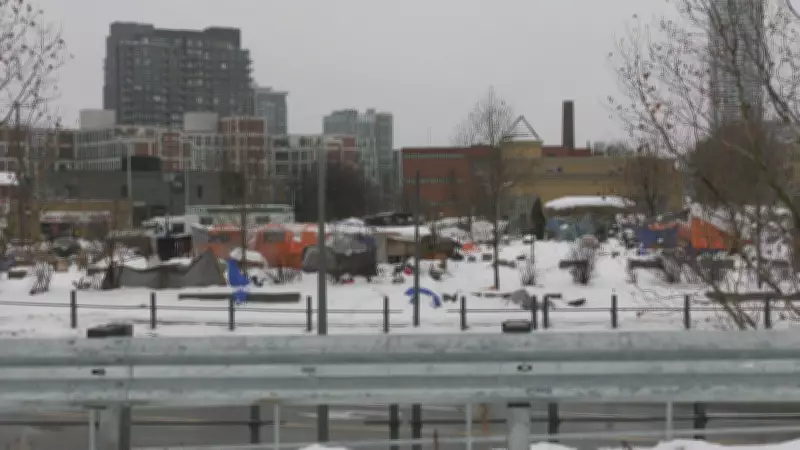
Waterloo Region Encampment Bylaw Court Hearing Postponed
A significant court hearing concerning Waterloo Region's contentious encampment bylaw has been rescheduled, creating further uncertainty around municipal regulations affecting unhoused populations. The proceeding, which was slated to address legal challenges to the region's approach to managing temporary outdoor shelters, will now occur at a later, unspecified date.
Context of the Legal Challenge
The bylaw in question governs where and how individuals can establish temporary encampments within Waterloo Region, including the city of Kitchener. This legislation has been a focal point of intense public debate, pitting concerns about public safety and property against urgent humanitarian needs during an ongoing housing crisis. Advocates for homeless residents argue that such bylaws criminalize poverty when adequate shelter spaces are unavailable.
The delay comes amidst a backdrop of heightened visibility for encampment issues across Ontario municipalities. Similar legal battles and policy discussions are occurring in other cities, making the Waterloo Region case a closely watched precedent. The specific location at 100 Victoria Street North in Kitchener has been a notable site of encampment activity, drawing attention from community groups, local officials, and media throughout early 2026.

Implications of the Postponement
This postponement means that the current regulatory framework, and any enforcement actions based upon it, will remain in a state of legal limbo for an extended period. For residents living in encampments, the delay prolongs a situation of instability and uncertainty regarding their immediate future and legal standing. For municipal authorities and police services, it complicates enforcement decisions and community relations planning.
The judicial system often reschedules hearings due to procedural requirements, judicial availability, or to allow for more comprehensive case preparation by all parties involved. Such delays, while administratively routine, have real-world consequences for affected individuals awaiting clarity on their rights and living situations.
Broader Regional and Provincial Landscape
Waterloo Region's experience reflects a broader provincial challenge. Many Ontario communities are grappling with how to humanely address visible homelessness while balancing diverse community interests. The outcome of this eventual hearing could influence policy approaches in other municipalities facing similar dilemmas.
The postponement also allows more time for community organizations, legal advocates, and municipal staff to prepare their positions and evidence. It may facilitate further dialogue or mediation efforts outside the courtroom, though none have been officially confirmed at this time.
Observers will be monitoring the court's docket closely for the new hearing date, which will determine when this critical matter regarding housing, municipal authority, and human rights in Waterloo Region will finally be addressed.