Expert Testifies VPD Could Have De-escalated Encounter Leading to Myles Gray's Death
A use-of-force expert has provided critical testimony at the coroner's inquest into the death of Myles Gray, stating that Vancouver Police Department officers had multiple opportunities to de-escalate the 2015 confrontation that resulted in Gray's fatal injuries. The testimony highlights ongoing concerns about police procedures and use of force in British Columbia.
Inquest Reveals Critical Details of 2015 Incident
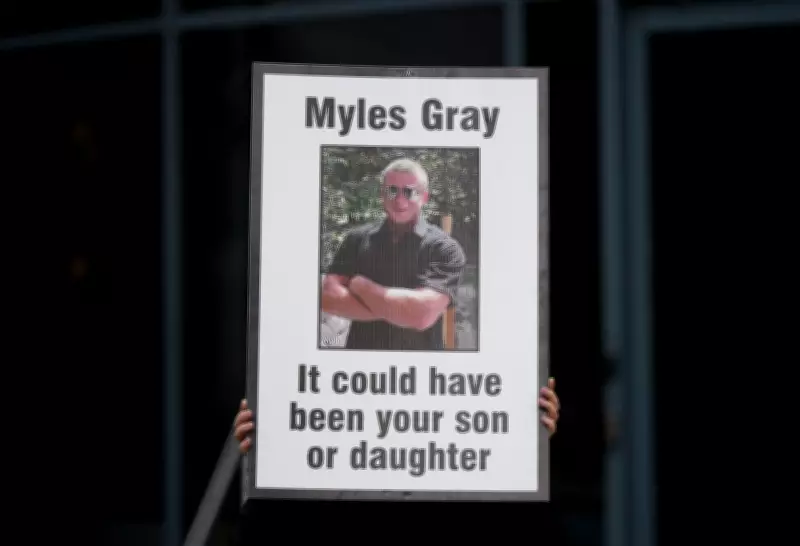
The coroner's inquest, which began in April 2023 in Burnaby, B.C., has been examining the circumstances surrounding Gray's death following a violent encounter with multiple police officers. Myles Gray, a 33-year-old resident of Sechelt, B.C., died after what witnesses described as a prolonged struggle with officers who responded to a disturbance call in the Burnaby area.
According to the expert witness, who specializes in police use-of-force protocols, the responding officers failed to implement established de-escalation techniques that could have prevented the situation from turning fatal. "There were clear moments where different approaches could have been taken," the expert testified. "The officers had options available that were not utilized."

Systemic Issues in Police Response Protocols
The testimony suggests systemic issues within the VPD's approach to handling individuals experiencing mental health crises or exhibiting erratic behavior. The expert pointed to specific tactical decisions made during the encounter that escalated rather than calmed the situation.
Key findings from the testimony include:- Multiple officers responded to what was initially reported as a minor disturbance
- The confrontation lasted approximately 30 minutes before Gray became unresponsive
- Medical attention was delayed despite Gray showing signs of distress
- Communication between officers could have been improved to coordinate a less aggressive response
Family members and community advocates have long questioned the police response, noting that Gray was unarmed and experiencing what appeared to be a mental health episode at the time of the encounter. The inquest has heard that Gray sustained multiple injuries during the struggle, though the exact cause of death remains under examination.
Broader Implications for Police Reform
This case comes amid ongoing national conversations about police reform and the handling of mental health crises by law enforcement. British Columbia has implemented new guidelines for police interactions with individuals in crisis since Gray's death, but advocates argue more systemic changes are needed.
The coroner's inquest, which is expected to continue for several more days, will ultimately provide recommendations to prevent similar tragedies. These recommendations may include:
- Enhanced de-escalation training for all frontline officers
- Improved coordination between police and mental health professionals
- Clearer protocols for when to call for specialized crisis intervention teams
- Better documentation and review of use-of-force incidents
The Vancouver Police Department has stated that they are closely following the inquest proceedings and remain committed to improving their practices. A spokesperson noted that significant changes have been made to training and protocols since 2015, but acknowledged that "every incident provides opportunities for learning and improvement."
Myles Gray's family continues to seek answers and accountability, hoping the inquest will provide clarity about what happened during those critical minutes in 2015 and lead to meaningful changes in how police interact with vulnerable individuals.