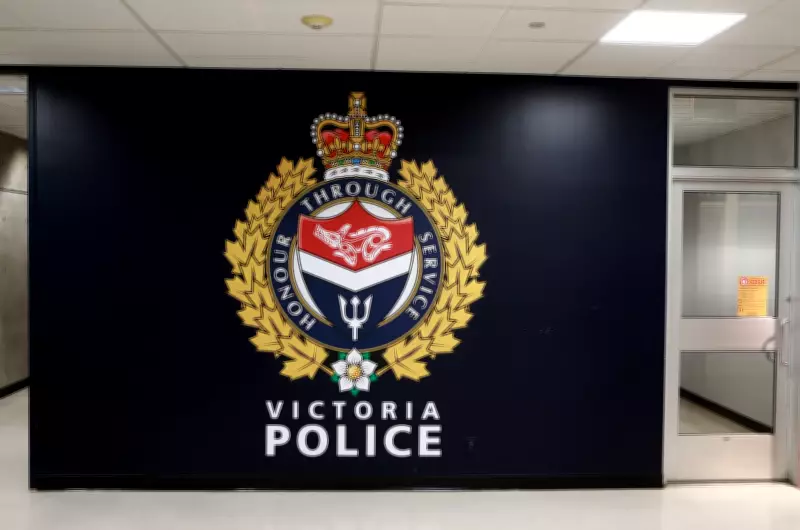
Victoria Police Officers Cleared by Independent Investigations Office After Arrest Review
The Independent Investigations Office (IIO) of British Columbia has cleared Victoria police officers involved in a recent arrest, concluding that the detained individual did not sustain serious harm during the incident. This determination comes after a thorough examination of the circumstances surrounding the arrest, which had prompted an internal review to assess potential misconduct or excessive force.
Details of the IIO's Findings and Investigation Process
According to the IIO's report, the investigation focused on whether the actions of the Victoria officers during the arrest constituted a breach of protocol or resulted in significant injury to the man. The agency emphasized that its mandate is to investigate incidents where serious harm or death may have occurred due to police actions, and in this case, the evidence did not support such a claim. The IIO stated that while the arrest involved physical restraint, medical assessments and witness accounts confirmed the absence of long-term or severe injuries.
The review process included interviews with the involved officers, the arrested individual, and independent witnesses, as well as an analysis of available video footage and police records. This comprehensive approach ensured a fair and transparent evaluation, aligning with the IIO's commitment to accountability in law enforcement. The cleared officers have been reinstated to full duty, with the Victoria Police Department expressing support for the IIO's findings and reiterating its dedication to professional conduct.

Context and Implications for Police Accountability in British Columbia
This case highlights the ongoing role of the IIO in overseeing police interactions and maintaining public trust. Established to provide civilian-led oversight, the IIO investigates all officer-related incidents that could involve serious harm, ensuring independent scrutiny. The clearance of the Victoria officers underscores the importance of evidence-based assessments in determining police accountability, rather than assumptions or public speculation.
In recent years, similar cases across Canada have sparked debates about police use of force and transparency. The IIO's decision in this instance may influence future protocols for handling arrests and investigations, particularly in balancing officer safety with civilian rights. Community leaders and advocacy groups have called for continued vigilance, emphasizing that while this outcome favors the police, it does not diminish the need for ongoing monitoring and reform in policing practices.
The Victoria Police Department has acknowledged the IIO's report and plans to review its internal procedures to prevent similar incidents. This proactive step aims to foster better community relations and ensure that arrests are conducted with minimal risk of harm. As the IIO continues its work, cases like this serve as a reminder of the complex dynamics between law enforcement and public safety in urban centers like Victoria.