Human Rights Commissioner Condemns Vancouver Police and City Over Media Restrictions
British Columbia's human rights commissioner has issued a scathing report criticizing the City of Vancouver and Vancouver Police Department for their handling of media access during the controversial dismantling of a homeless encampment in the Downtown Eastside in April 2023.
Commissioner's Investigation Uncovers Systematic Restrictions
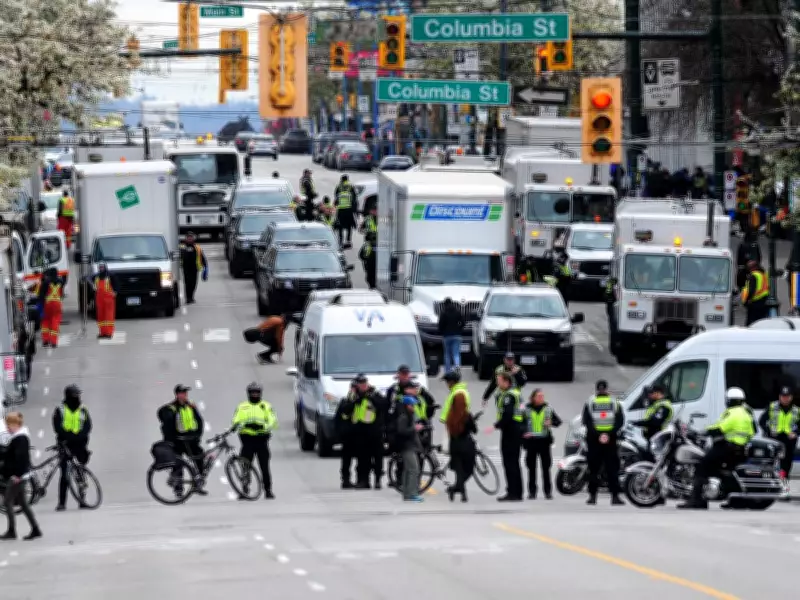
Commissioner Kasari Govender led an extensive inquiry titled "Un (media) ted" that examined why journalists and other observers were prevented from documenting the removal of tents and structures along Hastings Street on April 5 and 6, 2023. The investigation revealed that authorities established what they called a "work zone" or "safety zone" that effectively functioned as an exclusion zone for media throughout both days of operations.
The commissioner's findings indicate that transparency was severely compromised during the decampment process. While police and city officials claimed reporters were only barred for the initial 45 minutes, Govender's investigation determined that media access remained restricted for the entire duration of the two-day operation. Only one pool camera was permitted entry, while numerous journalists who requested access were denied for varying periods.

Multiple Violations of Rights and Freedoms
The report identifies several concerning aspects of how authorities managed the situation:
- Press freedom violations: The restrictions on media access represented a significant infringement on press freedoms that are essential for public accountability and human rights protection.
- Lack of transparency: The exclusion of journalists meant their ability to report on police actions was impaired, compromising transparency. This was further exacerbated by the shutdown of public traffic cameras on the morning of April 5.
- Failure to meet human rights standards: The commissioner found that the exclusion zone did not satisfy the requirements of "necessity and proportionality" under human rights law.
Disproportionate Impact on Marginalized Communities
Govender's investigation revealed that the rights of vulnerable populations were particularly affected during what she described as a "forced eviction." Indigenous people and individuals with disabilities faced compromised rights that "perpetuated systemic discrimination contrary to the Human Rights Code."
The commissioner acknowledged that city and police officials expressed concerns about protecting the physical and mental safety of workers at the camp. However, she concluded they failed to balance these concerns appropriately "without unnecessarily or unreasonably restricting freedom of the press and freedom of assembly in a manner that was proportional to the risks posed."
Investigation Methodology and Findings
The comprehensive inquiry involved interviews under oath with staff from the City of Vancouver, Vancouver Police Department, and police board members. Journalists who covered the decampment were also interviewed, along with representatives from community organizations serving Downtown Eastside residents.
Govender emphasized that the significance of access restrictions depends on their actual effect and impact on press freedom, not merely on the terminology used to describe them or the stated intentions behind establishing such zones. She characterized the broad restrictions as "unlawful" in her final assessment.
The commissioner's report serves as a significant critique of how municipal and police authorities manage sensitive operations involving vulnerable populations, highlighting the critical importance of maintaining press access and transparency during such events.