Media Exclusion Zone During 2023 Vancouver Decampment ‘Unlawful,’ Report Finds
A recent investigative report has concluded that the media exclusion zone implemented by authorities during the 2023 decampment of a homeless encampment in Vancouver was unlawful. The findings raise significant questions about the balance between public safety and the fundamental rights of the press and public transparency.
Background of the Decampment Operation
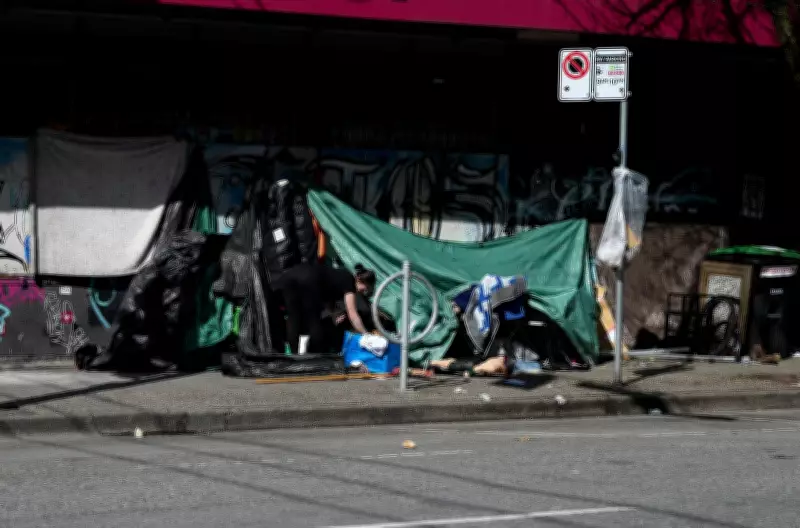
In early 2023, the City of Vancouver undertook a major operation to clear a large homeless encampment in the Downtown Eastside. This area, known for its high concentration of vulnerable residents, had become a focal point for housing and social justice debates. During the decampment, authorities established a perimeter that restricted media access, citing safety and operational concerns.
The exclusion zone prevented journalists from closely observing and documenting the proceedings, which involved the removal of tents and temporary shelters. This move sparked immediate criticism from media organizations and civil liberties advocates who argued it hindered accountability and public oversight.

Key Findings of the Report
The report, which analyzed the legal and procedural aspects of the exclusion zone, determined that it violated established principles of freedom of the press and open governance. Key points from the investigation include:
- Lack of Legal Justification: The authorities failed to provide sufficient legal grounds for the broad restrictions imposed on media personnel.
- Overreach of Authority: The exclusion zone was deemed disproportionate to the stated safety concerns, effectively blocking essential reporting on a matter of significant public interest.
- Impact on Public Discourse: By limiting media coverage, the zone obscured the realities of the decampment, potentially affecting public understanding and policy discussions around homelessness.
Implications for Future Operations
This ruling underscores the importance of maintaining transparency during government actions, especially those involving vulnerable populations. It sets a precedent that could influence how similar operations are conducted in the future, not only in Vancouver but across Canada.
Advocates hope that the findings will lead to revised protocols that better protect journalistic freedoms while addressing legitimate safety needs. The report also calls for increased dialogue between city officials, media representatives, and community groups to prevent such conflicts from recurring.
The 2023 decampment was part of broader efforts to address homelessness in Vancouver, a city grappling with a severe housing crisis. While the intention to clear encampments often stems from health and safety concerns, the methods used must align with legal standards and respect civil liberties.
This case highlights the ongoing tension between municipal governance and individual rights, a theme that resonates in many urban centers facing similar challenges. As cities continue to develop strategies for managing public spaces and supporting homeless populations, the lessons from Vancouver's experience will be crucial.