Dual Legal Challenges Confront Juul in British Columbia Over Vaping Allegations
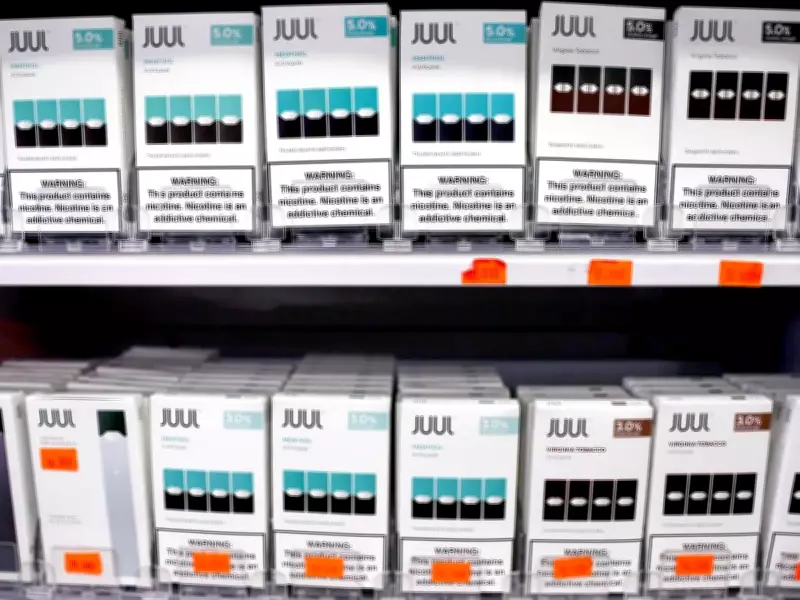
British Columbia is currently embroiled in two significant proposed class-action lawsuits against e-cigarette manufacturer Juul Labs Inc., both alleging serious misconduct related to youth-targeted marketing and health damages. The legal actions highlight growing concerns over vaping products and their impact on public health in the province.
Government Lawsuit Seeks Compensation for Public Health Costs
In late 2025, the B.C. government filed a proposed class-action lawsuit against Juul under the newly enacted Vaping Product Damages and Health Care Costs Recovery Act. Attorney General Niki Sharma stated that the lawsuit aims to hold Juul accountable for public harms and recover health care costs associated with treating vaping-related medical conditions.
The government alleges that Juul engaged in deceptive marketing practices specifically designed to attract youth, utilizing youth-friendly flavors, product design innovations, and highly addictive nicotine salts to target non-smokers and young people. Sharma emphasized that the province will use every available legal tool to ensure accountability from companies that prioritize profits over the well-being of British Columbians.

Also named as a defendant in this lawsuit is Altria Group, Inc., the U.S. corporation formerly known as Philip Morris, which purchased a one-third stake in Juul in 2018—the same year Juul products first entered the Canadian market.
Private Lawsuit Awaits Certification Decision
Separately, a private class-action lawsuit filed in 2019 by two B.C. men is currently awaiting a certification decision from the B.C. Supreme Court. The plaintiffs, including Owen Mann-Campbell, allege they suffered adverse health conditions, including lung disease, from using Juul e-cigarettes.
This lawsuit seeks damages on behalf of all Canadian users who claim to have experienced injuries after using Juul products. The case represents individual consumers seeking compensation for personal health impacts, contrasting with the government's focus on recovering public health system costs.
Historical Context and Legal Precedents
The B.C. government's approach follows successful litigation against tobacco companies. In early 2025, British Columbia received the first payment of nearly $1 billion from a landmark $32.5 billion Canadian settlement with major tobacco manufacturers. The province is scheduled to receive a total of $3.7 billion over 18 years from that settlement.
Additionally, British Columbia is involved in two national class-action lawsuits against opioid manufacturers, demonstrating the province's aggressive stance on holding corporations accountable for public health impacts.
Broader Implications for Vaping Industry Regulation
These dual lawsuits against Juul represent a significant escalation in regulatory pressure on the vaping industry in Canada. The cases could establish important legal precedents regarding:
- Corporate responsibility for youth-targeted marketing
- Manufacturer liability for health damages from vaping products
- Government authority to recover public health costs from corporations
- Standards for product safety and marketing practices in the nicotine delivery industry
The outcomes of these cases may influence future regulations and litigation involving vaping products across Canada, particularly as concerns about youth vaping rates and associated health risks continue to grow.
Both lawsuits remain in preliminary stages, with the private action awaiting certification and the government lawsuit recently filed. Legal observers anticipate these cases could take years to resolve through the court system.