Tragedy at Tumbler Ridge Secondary School Exposes Systemic Failures
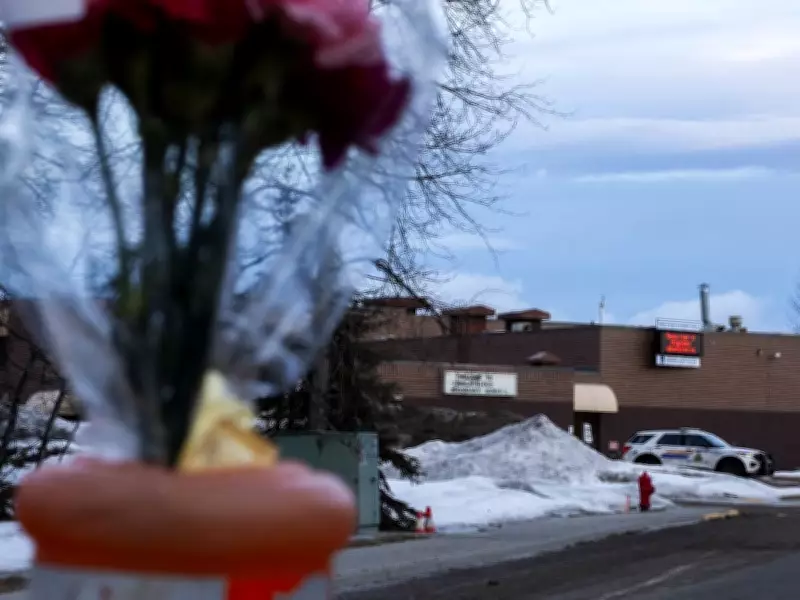
The horror that unfolded at Tumbler Ridge Secondary School on February 11, 2026, represents one of Canada's deadliest school shootings. Five students aged 12 and 13, along with their teacher, were gunned down in a senseless rampage. The shooter's mother and 11-year-old stepbrother were also killed in the attack that has left the northeastern British Columbia community shattered.
Young Lives Cut Short
Six young souls will never experience the milestones of growing up—graduation, first loves, career discoveries, or raising families of their own. Their potential was extinguished in moments, leaving parents and loved ones with unimaginable grief that will span decades. Among the victims were Zoey Benoit, 12, known for her beautiful singing voice; Ezekiel Schofield, 13, an enthusiastic hockey player; and Ticaria Lampert, 12, a K-pop fan with a vibrant personality.
The attack left two children in critical care and twenty-five others injured, physical and emotional wounds that will mark survivors for their entire lives. Not a single resident of Tumbler Ridge remains unaffected by this tragedy that has scarred the rural community forever.

A Troubled History Ignored
Jesse Van Rootselaar, the 18-year-old shooter, presented what should have been clear warning signs for potential violence. Despite multiple interactions with healthcare systems over years, Van Rootselaar was released from institutional care just before the shooting.
The shooter's psychiatric history included treatment with antidepressants, antipsychotic medications, and hormone replacement therapy. Van Rootselaar, born male, had begun gender transition around age 12 or 13 and claimed on social media to have received diagnoses for ADHD, major depressive disorder, autism, and obsessive compulsive disorder.
Systemic Breakdowns
Police records reveal multiple visits to Van Rootselaar's home for mental health calls, with the teen apprehended more than once. The shooter had recently returned from a several-week psychiatric stay in Prince George, though whether this was voluntary or involuntary treatment remains unclear.
The family's nomadic lifestyle—moving between Newfoundland, Alberta, and British Columbia—complicated consistent care. A judge had previously ordered mother Jennifer Strang to permit communication between Van Rootselaar and father Justin Van Rootselaar, describing their existence as fundamentally rootless.
Unanswered Questions
This case raises critical questions about whether overlapping mental health diagnoses obscured recognition of growing violent tendencies. Evidence increasingly suggests some children presenting with gender dysphoria symptoms may instead suffer from other mental health conditions, though whether this applied here remains uncertain.
The tragedy highlights potential gaps in Canada's mental health intervention systems, particularly for individuals with complex psychiatric profiles. As communities mourn and survivors heal, systemic examinations must address how someone with Van Rootselaar's documented history could access firearms and carry out such devastation.
While the shooter's troubled life deserves no sympathy, the repeated institutional contacts that failed to prevent this catastrophe demand serious scrutiny and reform to protect vulnerable individuals and communities alike.