Windsor Trucker Receives Decade-Long Prison Term for Major Cocaine Importation Operation
A commercial trucker who described himself as a devoted family man has been sentenced to 10 years in prison for his role in a multimillion-dollar cocaine importation scheme intercepted at the Ambassador Bridge in Windsor. Jasbir Singh, a Mississauga-based driver, expressed profound regret during his sentencing hearing, stating the decision to transport the illicit drugs was one I will regret for the rest of my life.
Massive Drug Seizure at International Border Crossing
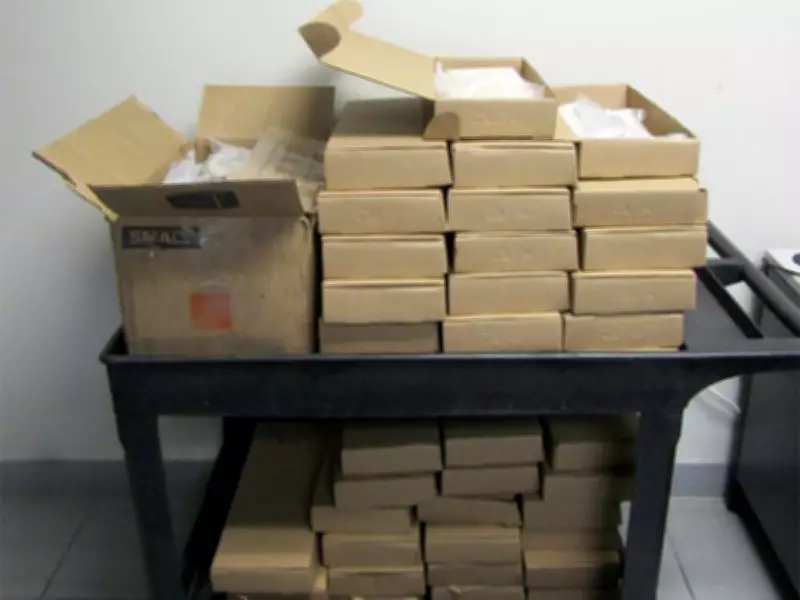
On the night of April 17, 2023, Singh was returning to Canada from the United States when Canada Border Services Agency officers at the Ambassador Bridge referred his tractor-trailer for secondary inspection. During the search, authorities discovered 40 one-kilogram bricks of cocaine concealed above the bunk bed behind the driver's seat. An additional approximately 20 kilograms were found hidden beneath the bed in the sleeping compartment, bringing the total seizure to 61 kilograms.
Superior Court Justice Paul Howard described the quantity as a significant amount of an addictive substance that causes substantial harm to communities across Canada. The judge emphasized that without importation operations like this one, there would be no cocaine available domestically, highlighting the critical role border enforcement plays in disrupting drug supply chains.

Financial Scale and Sentencing Details
Federal prosecutors revealed the staggering financial dimensions of the seizure. At the kilogram level, the cocaine had an estimated wholesale value of $3.4 million. When broken down for street-level sales, the shipment's potential value soared to approximately $5.4 million, representing a significant blow to organized crime networks operating across the border region.
Justice Howard accepted a joint submission from both Crown and defense counsel recommending a 10-year prison term. Mitigating factors included Singh's guilty plea to importation of cocaine last fall, which demonstrated genuine remorse, his lack of prior criminal record aside from an impaired driving conviction, strong rehabilitation prospects, and substantial support from family and community members.
Personal Tragedy and Character References
In a heartfelt letter read aloud in court, Singh expressed particular anguish about how his incarceration would affect his relationship with his daughter. I will miss important years of my daughter's life, he wrote, acknowledging the personal consequences of his criminal actions.
Defense lawyer Yonatan Eshetu presented six character letters from friends and family members portraying Singh as a hard-working, generous individual known for his devotion to family and willingness to help newcomers establish themselves in Canada. The defense characterized the incident as essentially a one-off and described Singh as merely a courier rather than a directing mind within the drug trade hierarchy.
Legal Arguments and Final Ruling
Federal prosecutor Mitchell Witteveen agreed with the characterization of Singh's limited role but noted the proposed 10-year sentence represented the lower end of the range for such a substantial cocaine seizure. The prosecution opposed defense suggestions to reduce the sentence by 508 days for time Singh spent under strict bail conditions, including house arrest and GPS monitoring, arguing such a reduction would be excessive given the severity of the offense.
This case represents another significant victory for border security officials working to intercept illegal narcotics before they reach Canadian communities. The Ambassador Bridge, as one of North America's busiest international crossings, remains a critical frontline in the ongoing battle against transnational drug trafficking organizations attempting to exploit commercial transportation networks for illicit purposes.