Toronto Man Faces Criminal Harassment Charges Over Multiple Filming Incidents
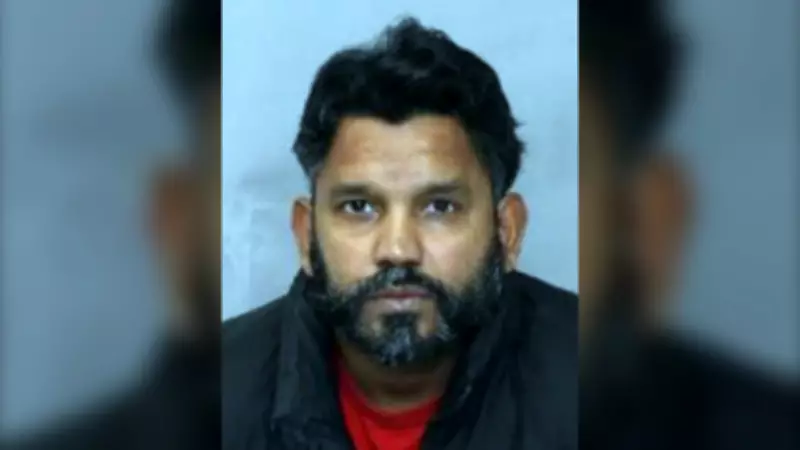
Toronto police have formally charged a 45-year-old man with criminal harassment after a series of filming incidents occurred across the city. The accused, identified as Mohamed Askar Mohamed-Razik, was charged on December 10, 2025, following an investigation that spanned several months.
Details of the Alleged Incidents
According to authorities, the charges stem from multiple incidents where Mohamed-Razik allegedly filmed individuals without their consent in various public locations throughout Toronto. Police have indicated that one notable event involved a fare inspection on the Toronto Transit Commission (TTC) system, which escalated into an alleged threat, prompting further investigation.
The TTC incident served as a catalyst for the broader probe, leading police to uncover additional filming occurrences that contributed to the criminal harassment charge. While specific details of all incidents remain under investigation, officials emphasize that the pattern of behavior raised significant public safety concerns.

Legal Proceedings and Police Statement
Mohamed Askar Mohamed-Razik is currently facing criminal harassment charges under the Canadian Criminal Code. Toronto police have not released extensive details about the victims or the exact number of incidents, but they confirm that the charges relate to a sustained pattern of unwanted filming.
This case highlights the growing legal scrutiny around non-consensual filming in public spaces, especially in urban settings like Toronto where privacy concerns intersect with daily commuter activities. Police urge anyone who may have experienced similar incidents to come forward as the investigation continues.
Broader Context and Community Impact
The charges come amid increasing public awareness about harassment and privacy violations in Canadian cities. Incidents involving filming without consent can have profound psychological effects on victims, leading to heightened anxiety and a sense of vulnerability in public areas.
Toronto authorities are reinforcing their commitment to addressing such behaviors through legal avenues, ensuring that individuals feel safe while using public transportation and navigating the city. This case may also prompt discussions about clearer regulations or public education campaigns regarding acceptable use of recording devices in shared spaces.
As the legal process unfolds, Mohamed-Razik is expected to appear in court to face the charges. The outcome of this case could set a precedent for how similar incidents are handled in the future, balancing individual rights with public security in an era of ubiquitous digital recording.