Saskatoon Judge Delivers Manslaughter Verdict in Fatal Altercation Case
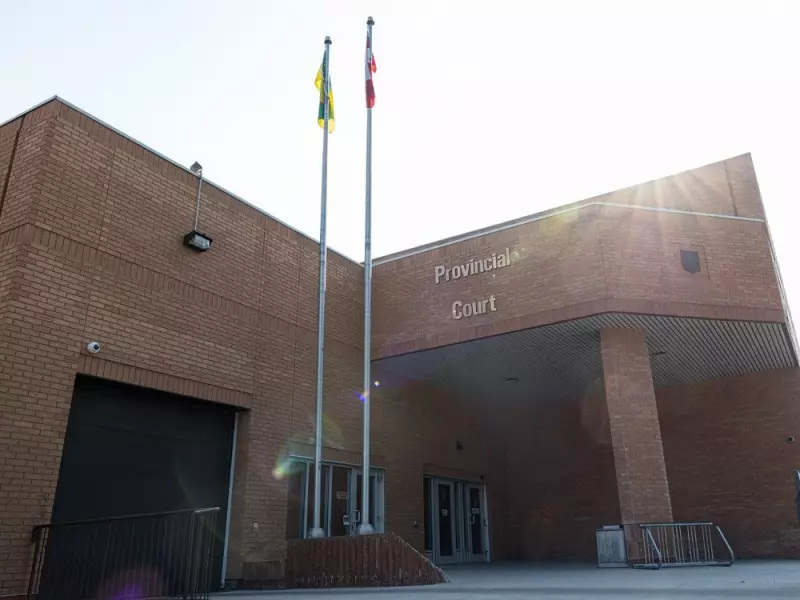
In a significant ruling from Saskatoon's provincial court, Judge Inez Cardinal has convicted 46-year-old Timothy Smith of manslaughter in the November 2024 death of 37-year-old Landon Waddell. The decision, delivered on Monday, January 26, 2026, firmly rejected Smith's claim that he acted in self-defence during the fatal confrontation.
Witness Testimony Proves Decisive in Courtroom Decision
The judge found the testimony from witness Coady Boyer-Lafond to be both compelling and credible, ultimately shaping the outcome of the case. Boyer-Lafond, who was present in the Caswell Hill neighbourhood home during the incident, provided a detailed account of the events that unfolded between the two men.
According to court proceedings, the three men—all friends—had been drinking together at Waddell's residence located in the 400 block of 26th Street West. While both Waddell and Boyer-Lafond were heavily intoxicated, Smith remained sober throughout the evening.

Fatal Confrontation Stemmed from Accusation of Theft
The atmosphere turned hostile when Smith accused Waddell of stealing a pair of "knuckle busters" from him. Judge Cardinal noted that the situation escalated to violence when Smith attempted to take Waddell's watch, triggering the fatal assault that would follow.
"It all happened in seconds," Cardinal remarked while reading her decision, describing how Smith struck Waddell, knocking him to the ground. The judge further accepted evidence that Smith then stomped on Waddell while he was defenseless on the floor.
Forensic Evidence and Physical Disparity Influenced Judgment
A forensic pathologist testified that Waddell died from a concussion that, combined with his high blood-alcohol level, caused his system to shut down. Judge Cardinal determined that Smith's actions initiated the fatal chain of events that led to Waddell's death.
The physical disparity between the two men played a significant role in the judge's assessment. Smith, standing 6-foot-3 and weighing up to 190 pounds, held a considerable size advantage over Waddell, who measured 5-foot-7 and 140 pounds. Cardinal emphasized that Waddell's intoxication made the confrontation even more unbalanced, stating plainly that "this was not a fair fight."
Self-Defence Argument Thoroughly Dismissed
Judge Cardinal explicitly rejected Smith's self-defence claim, finding that he had no legitimate reason to fear for his safety when Waddell grabbed his shirt during their altercation. Instead, she concluded that Smith's actions were motivated by vigilantism, vengeance, or personal motivation rather than self-preservation.
"I find that Mr. Smith's actions are a significant contravening cause of death," Cardinal declared in her ruling, holding him fully responsible for the tragic outcome.
Police Response and Arrest Details
Following the incident, Boyer-Lafond called 911 for emergency assistance. When police arrived at the scene, Smith initially claimed that Waddell had been attacked by two intruders during a home invasion. Boyer-Lafond testified that he shook his head upon hearing this fabricated account, a reaction that police officers noticed immediately.
Authorities subsequently separated Boyer-Lafond from Smith, taking him to another room in the small house where he provided his eyewitness account of what actually transpired. This testimony led directly to Smith's arrest and the subsequent criminal charges.
Courtroom Atmosphere and Next Steps
During the reading of the verdict, Smith wore an orange sweatshirt and sat in the prisoner's box, looking downward for most of the proceeding. He briefly turned his head sideways to glance at a small group of supporters seated in the gallery, but otherwise remained still as the judge delivered her decision.
The court will schedule a sentencing date later this week, determining the appropriate punishment for Smith's manslaughter conviction. The case has drawn attention to issues of violence among acquaintances and the legal boundaries of self-defence claims in Saskatchewan's justice system.