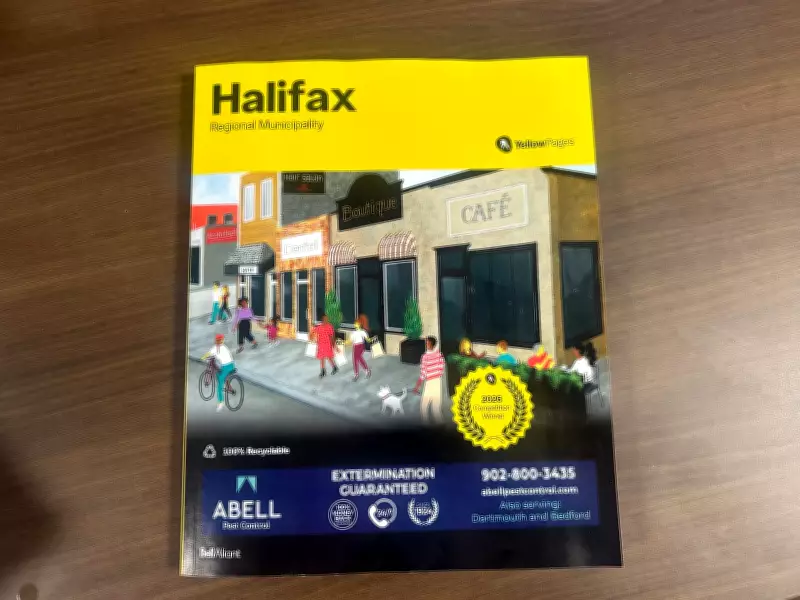
Believe it or not, some Canadians still receive phonebooks in the mail. The latest editions have been delivered to households across the country, but experts say this practice is on its way out. Paul Hollingsworth reports that the days of the printed phonebook are numbered.
Why Phonebooks Persist
While most people rely on smartphones and online directories, a small segment of the population still uses printed phonebooks. This includes older adults who are less comfortable with digital technology and those in rural areas with limited internet access. However, the demand has been steadily declining for years.
Environmental and Economic Factors
Producing and distributing millions of phonebooks annually has significant environmental costs, including paper use and fuel for delivery. Additionally, the expense of printing and mailing has increased, making it less viable for publishers. Many municipalities and companies have already ended their phonebook programs.

Experts predict that within the next few years, phonebook delivery will cease entirely across Canada. The shift to digital directories is inevitable, as even the most traditional users are gradually adopting online alternatives.
In the meantime, recipients are encouraged to recycle their phonebooks or opt out of delivery if they no longer need them. For those who still rely on the printed version, the clock is ticking on this once-ubiquitous household item.