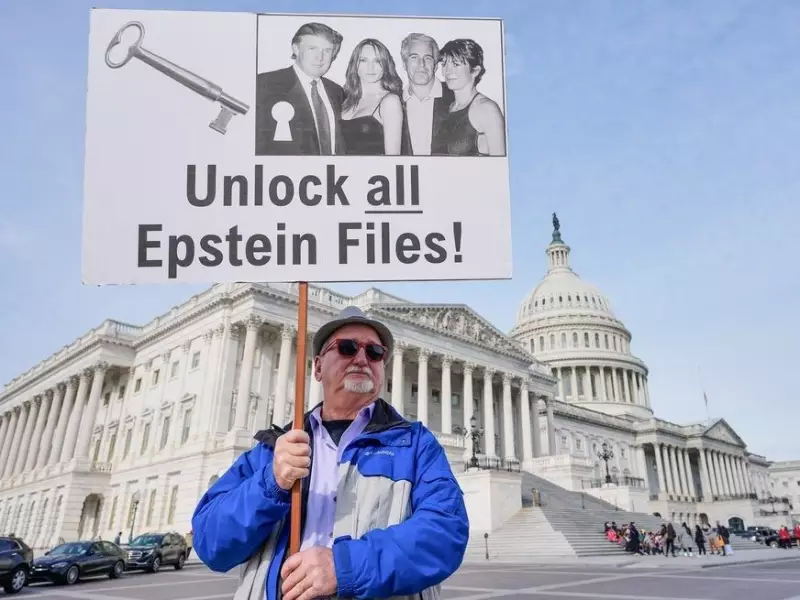
After months of intense political pressure and public anticipation, the U.S. Justice Department has begun the monumental task of releasing documents related to the investigation of convicted sex trafficker Jeffrey Epstein. On Friday, December 19, 2025, the department made public thousands of records, though the process has ignited accusations of a cover-up from Democratic leaders.
What Was Released in the First Batch?
The initial release, made available on the DOJ's website, includes a vast array of materials such as photographs, call logs, grand jury testimony, and interview transcripts. A significant portion of the documents are redacted to protect identities, and some items had been previously accessible to the public.
Notably, among the released photos are images depicting Epstein, his convicted accomplice Ghislaine Maxwell, and other high-profile figures, including former President Bill Clinton. These photos show them on trips to various international locations like Bali, Indonesia, Morocco, and St. Tropez, France.

The documents were organized into four primary categories for public review: court records, disclosures mandated by the Epstein Files Transparency Act, materials released under freedom of information requests, and records previously provided to the House Oversight Committee. The online release drew thousands of visitors, creating a virtual queue to access the files.
A Staggered Release and Political Backlash
The department did not release its entire cache of documents on Friday. Deputy Attorney General Todd Blanche explained to Fox News that "several hundred thousand documents" were made available, with "several hundred thousand more" slated for release over the coming weeks. He cited the labor-intensive process of redacting identifying details of Epstein's victims as the reason for the staggered timeline.
Blanche emphasized that the department has been working tirelessly since President Donald Trump signed the Epstein Files Transparency Act into law on November 19, 2025. The law gave the DOJ a 30-day deadline to release most unclassified records related to Epstein and Maxwell, explicitly prohibiting the withholding of documents due to "embarrassment, reputational harm, or political sensitivity."
This partial release immediately triggered a fierce political reaction. Senate Minority Leader Chuck Schumer condemned the move, calling it an orchestrated "cover-up" designed to protect the former president. "This just shows the Department of Justice, Donald Trump, and (Attorney General) Pam Bondi are hellbent on hiding the truth," Schumer stated.
Accusations of Lawbreaking and a White House Defense
Echoing Schumer's criticism, House Oversight Committee Democrats accused the Trump administration and the Justice Department of violating federal law by not releasing the full trove of files as the new statute requires. The Democrats declared the administration "has broken the law" and stated they are "examining all legal options."
In stark contrast, the White House framed the disclosure as a triumph of transparency. White House spokesperson Abigail Jackson said the release demonstrated that the Trump administration is the "most transparent in history." She credited the administration with doing "more for the victims than Democrats ever have," pointing to cooperation with congressional subpoenas and the president's calls for further investigation into Epstein's associates.
The controversy ensures that the phased release of the remaining Epstein files will remain under a glaring spotlight, with legal challenges and intense political scrutiny likely to continue in the weeks ahead.