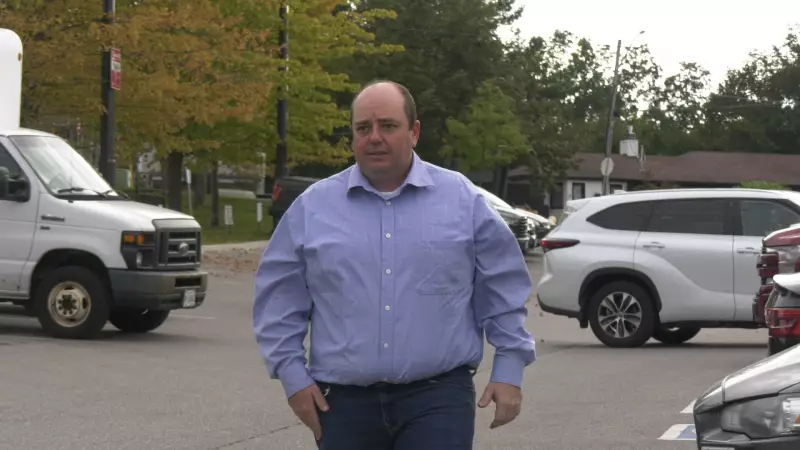
A man from Ontario is awaiting a crucial bail decision as he appeals his conviction for a shocking incident of impaired driving that saw him reach a speed of 196 kilometres per hour in a Tesla.
High-Speed Conviction and Appeal
The case, which concluded with a conviction, centers on the driver's actions behind the wheel of the electric vehicle. Court proceedings confirmed that the individual was operating the Tesla while impaired by alcohol or drugs, pushing the car to a dangerously high velocity on an Ontario roadway.
Following the guilty verdict, the defendant has chosen to launch an appeal, challenging the court's decision. This legal move has temporarily halted the immediate consequences of the conviction, placing the focus on a pending bail hearing.

Awaiting Judicial Decision on Release
The central issue now is whether the convicted man will be granted bail while the appeal process unfolds. This decision rests with the judiciary, which must weigh factors such as flight risk, public safety, and the strength of the appeal arguments.
The incident, which was first reported on December 16, 2025, has drawn significant attention due to the extreme speed involved and the use of a technologically advanced vehicle. The case highlights the serious legal repercussions of combining impairment with high-performance cars.
Broader Implications for Road Safety
This conviction serves as a stark reminder of the severe penalties for impaired driving in Canada, regardless of the type of vehicle. Driving at nearly 200 km/h on a public road presents an enormous risk to the driver, passengers, and all other road users.
The outcome of the bail decision and the subsequent appeal will be closely watched. It will set a precedent for how similar cases involving extreme speeds and impairment are handled within the Ontario justice system.
Authorities continue to emphasize that no level of impairment is safe for driving, and excessive speed dramatically increases the likelihood of fatal collisions. This case underscores the ongoing efforts to prosecute those who disregard these fundamental safety laws.