Survivors and Advocates Demand Federal Action on Forced Sterilization
Survivors of forced or coerced sterilization are intensifying their calls for the Canadian government to enact legislation that would criminalize this practice. The push comes amid ongoing concerns about human rights violations, particularly affecting Indigenous women and other vulnerable groups.
Legislative Efforts and Human Rights Concerns
Proposed bills aim to address what advocates describe as a systemic issue, with survivors sharing harrowing experiences of being sterilized without informed consent. This practice has been documented in healthcare settings, often targeting marginalized individuals.
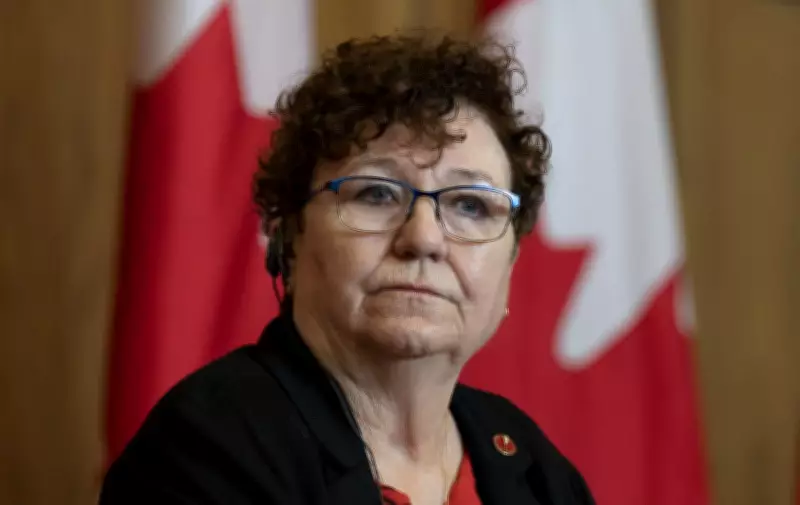
Senator Yvonne Boyer, a member of the Senate committee on human rights, has been vocal in supporting these legislative measures. In a 2022 news conference in Ottawa, she emphasized the urgency of protecting bodily autonomy and ensuring accountability.

Historical Context and Global Precedents
Forced sterilization has a dark history in Canada, with instances reported over decades. Internationally, countries like Germany and Sweden have implemented laws against such practices, setting precedents for legal frameworks.
Advocates argue that criminalization is a critical step toward justice, as it would deter healthcare providers from performing sterilizations without proper consent and provide legal recourse for survivors.
Implications for Healthcare and Policy
If passed, the bill could lead to stricter regulations in medical ethics, requiring enhanced consent protocols and training for healthcare professionals. This aligns with broader efforts to reform healthcare systems to be more equitable and respectful of patient rights.
Survivors' stories highlight the emotional and physical toll of these procedures, underscoring the need for comprehensive support services alongside legal changes.
Next Steps and Public Support
The bill is expected to undergo parliamentary review, with supporters mobilizing public awareness campaigns to garner backing. Human rights organizations are collaborating to ensure the legislation addresses the full scope of the issue, including preventive measures and survivor compensation.
As debates continue, the focus remains on creating a legal environment that upholds dignity and prevents future abuses, marking a pivotal moment in Canada's human rights landscape.