As anti-Israel demonstrations continue to disrupt holiday shopping across Canada, a growing number of legal experts and politicians are pointing to a surprisingly straightforward solution that requires no new legislation.
Protests Target Holiday Shoppers and Retailers
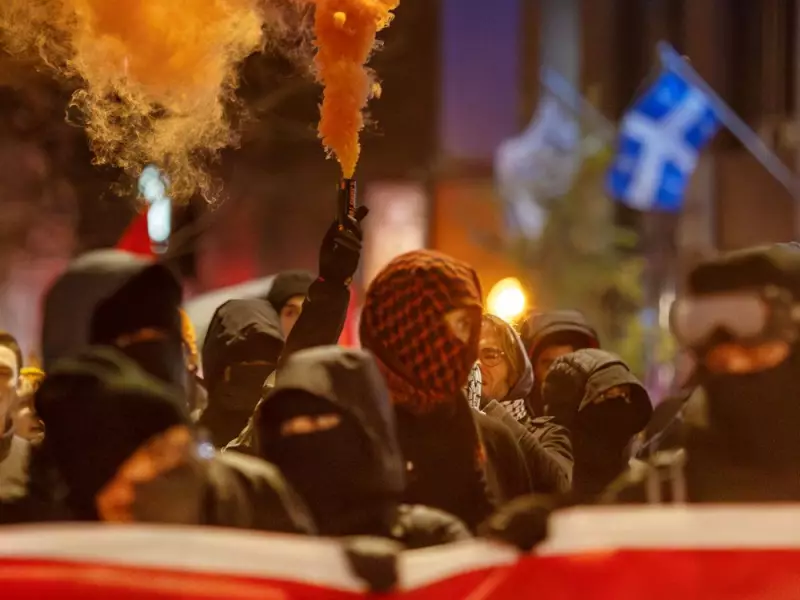
On Sunday, December 21, 2025, demonstrators occupied an Indigo bookstore in Montreal, waving Palestinian flags, blocking cash registers, and using bullhorns to shout slogans like "intifada revolution" at customers. A similar scene unfolded at an Indigo location in Toronto, where police prevented entry but allowed protesters to form a cordon on the sidewalk, harassing shoppers for hours.
These incidents are part of a pattern of demonstrations targeting the bookstore chain due to the pro-Israel philanthropy of its CEO, Heather Reisman. The protests are not isolated to Indigo. On December 14, the group Montreal for Palestine crowded a Montreal Christmas market, using speakers to denounce Israel and controversially claim that "Jesus was Palestinian." This date coincided with an antisemitic mass shooting in Australia.

The "Shockingly Simple" Legal Fix
In response to the ongoing disruptions, the Toronto-based pro-Jewish group Tafsik published a guide titled, "Why aren’t the police doing anything?" The guide profiles seven provincial and municipal officials who possess the existing authority to rein in such demonstrations through a simple directive.
The analysis argues that, in most cases, no new laws or expanded powers are needed. The authorities named range from Ontario Attorney General Doug Downey to Toronto Police Chief Myron Demkiw. The implication is that a clear operational directive from these figures to enforce existing laws against trespass, intimidation, and public disturbance could significantly curtail the blockades and harassment.
Growing Calls for Action
The persistent targeting of retail spaces during the busy holiday season has amplified calls for authorities to act. While freedom of expression is protected, the tactics of physically blocking businesses and intimidating customers cross into areas already governed by criminal and civil law.
The situation presents a clear test for Canadian officials: whether existing public order and property laws will be consistently applied to maintain commerce and safety, or if demonstrators will continue to operate with perceived impunity. The proposed solution, as highlighted, hinges not on parliamentary debate but on administrative willpower within existing police and prosecutorial frameworks.