Legal Liability: Servers' Duty to Protect Intoxicated Guests in Licensed Establishments
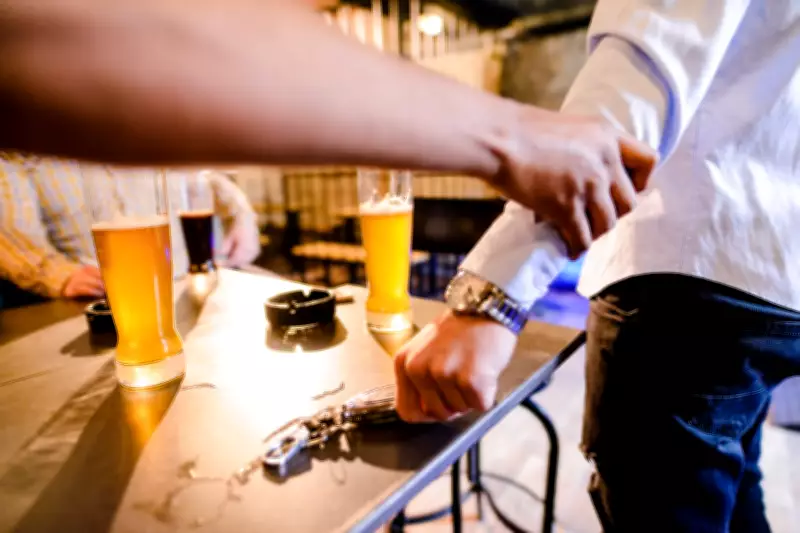
The legal landscape surrounding licensed establishments and their responsibilities towards patrons consuming alcohol is under increasing scrutiny. Servers and bartenders are not merely providers of beverages; they hold a critical duty of care to protect intoxicated guests from harm. This obligation extends beyond basic service to encompass proactive measures ensuring patron safety.
Understanding the Legal Framework
In many jurisdictions, including Ontario, licensed establishments face significant legal liability if they fail to protect intoxicated guests. This duty is rooted in common law principles and statutory regulations that mandate reasonable steps to prevent foreseeable harm. Establishments must train staff to recognize signs of intoxication and intervene appropriately, such as by refusing further service or arranging safe transportation.
Recent cases have highlighted the severe consequences of neglecting this duty. For instance, incidents where intoxicated individuals were involved in accidents after leaving venues have led to lawsuits against servers and establishments for negligence. Courts often consider whether staff acted reasonably given the circumstances, emphasizing the importance of documented protocols and staff training.

Key Responsibilities of Servers
Servers play a pivotal role in mitigating risks associated with alcohol consumption. Their responsibilities include:
- Monitoring Consumption: Keeping track of the amount and pace of alcohol served to each patron.
- Identifying Intoxication: Recognizing signs such as slurred speech, impaired coordination, or aggressive behavior.
- Intervening Effectively: Taking action, such as offering water or food, limiting alcohol intake, or contacting management.
- Ensuring Safe Departure: Assisting in arranging rides or ensuring patrons do not drive while impaired.
Failure to fulfill these duties can result in legal penalties, including fines, license suspensions, or civil damages. Establishments are encouraged to implement comprehensive training programs that cover these aspects thoroughly.
Recent Developments and Expert Insights
Legal experts note a growing trend towards stricter enforcement of these obligations. In some regions, regulatory bodies have increased inspections and penalties for non-compliance. For example, cases involving overservice have led to publicized fines, serving as a deterrent to other establishments.
Moreover, technology is playing a role in enhancing compliance. Some venues use digital systems to track alcohol sales and patron behavior, helping staff make informed decisions. However, experts caution that technology should complement, not replace, human judgment and training.
The broader context includes related news, such as Ontario students speaking out about financial issues or incidents involving impaired driving, underscoring the societal impact of alcohol-related negligence. These stories reinforce the urgency for licensed establishments to prioritize patron safety.
Conclusion
The duty of servers to protect intoxicated guests is a critical aspect of legal liability in the hospitality industry. By adhering to best practices and staying informed about regulatory changes, establishments can mitigate risks and foster a safer environment for all patrons. As legal standards evolve, ongoing education and vigilance remain essential for compliance and ethical operation.