Israel Launches Strikes on Tehran as Iran Escalates Regional Counterattacks
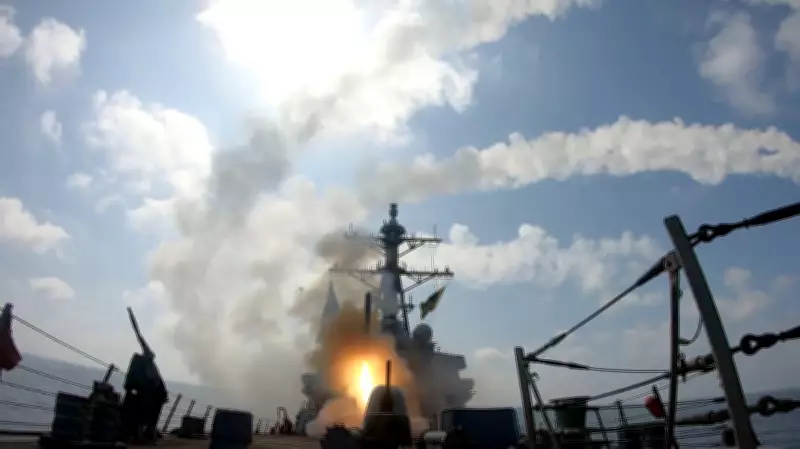
In a dramatic escalation of Middle East tensions, Israeli forces have conducted targeted strikes on Tehran, the capital of Iran, according to international reports. This aggressive military action comes in the immediate aftermath of the reported death of Iran's Supreme Leader, Ayatollah Ali Khamenei, as confirmed by Iranian state media. The situation has rapidly deteriorated, with Iran widening its counterattacks across the region, signaling a potential expansion of the conflict beyond previous boundaries.
Global Reactions and Political Fallout
World leaders are urgently calling for a return to diplomatic talks following the U.S. and Israeli strikes that resulted in the death of the Iranian leader. The international community is expressing deep concern over the volatility and the risk of a broader regional war. In a significant development, former U.S. President Donald Trump announced a joint U.S.-Israel attack, describing it as "major combat operations in Iran" and labeling Iran as "the principal source of instability and terror throughout the Middle East."
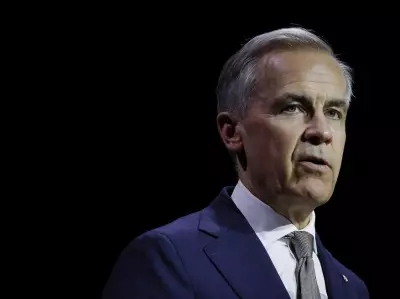
Canadian political figures have also weighed in, with Prime Minister Carney's support for the Iran attack being described as a "pretty explicit expression of support" by analysts. Meanwhile, a retired general indicated that Canada is expected to play only a "limited role" in the ensuing Middle East conflict, focusing on diplomatic and humanitarian efforts rather than direct military involvement.

Military Analysis and Strategic Shifts
Military experts are noting a stark change in the nature of the attacks. David Fraser, a security analyst, highlighted that "there's a vast difference in the targeting than in the past," suggesting a more direct and aggressive approach by U.S. and Israeli forces. Critics, however, argue that this represents a "war of choice," as termed by commentator Ham, questioning the strategic necessity and potential long-term consequences of such decisive military interventions.
Regional and Domestic Impacts
The repercussions are being felt both regionally and within diaspora communities. In Pakistan, at least nine people were killed as protesters stormed the U.S. Consulate in response to the killing of Iran's supreme leader, illustrating the widespread anger and instability. In Canada, Iranian communities are reacting with mixed emotions; for instance, in Winnipeg, some expressed that "we've been waiting for this for a long time," reflecting hope for political change, while others in Regina voiced optimism for Iran's future hours after the leader's death.
On the economic front, oil prices are anticipated to experience significant volatility in the coming week due to supply uncertainties triggered by the U.S.-Israel strikes. This adds another layer of complexity to global markets already grappling with geopolitical tensions.
Broader Context and Unrelated Incidents
Amidst this major international crisis, other news includes a 15-year-old avalanche victim dying in a Calgary hospital, a Montreal woman being assaulted on a metro platform amid rising transit attacks, and protests in Quebec over federal gun buyback programs. In sports, the Sharks edged the Oilers 5-4 to snap a five-game winless streak, while in entertainment, lawyers for the Spice Girls are threatening to sue a Canadian entrepreneur over a seasoning brand, showcasing the diverse range of events unfolding concurrently.
As the situation continues to develop, with live updates providing ongoing coverage, the world watches closely to see how this pivotal moment in Middle East politics will reshape regional dynamics and international relations. The death of Supreme Leader Khamenei marks a historic turning point, with Israel's strikes on Tehran representing a bold and risky maneuver that could define the conflict's trajectory for years to come.