Deadly Police Raid in Rio de Janeiro Favelas Claims Eight Lives
A significant police operation conducted in the Morro dos Prazeres community of Rio de Janeiro, Brazil, on Wednesday, March 18, 2026, has resulted in the deaths of at least eight individuals. Among the deceased is a prominent local drug boss, highlighting the intense and often violent confrontations between law enforcement and criminal organizations in the city's favelas.
Operation Details and Fatal Confrontation
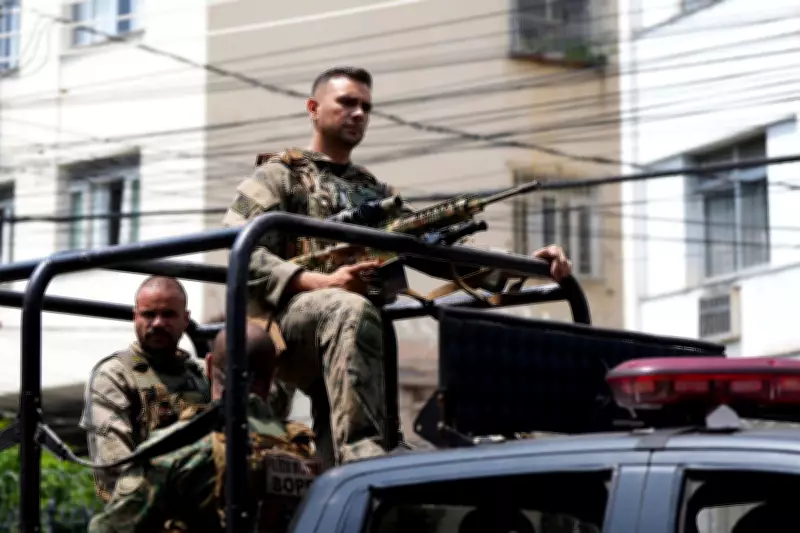
Military police officers patrolled the area during the operation, which targeted drug trafficking activities in the densely populated neighborhood. The confrontation led to a shootout, resulting in multiple casualties. Authorities have confirmed that one of those killed was a key figure in the local drug trade, though his identity has not been publicly disclosed pending notification of family members.
This incident underscores the persistent security challenges faced by Rio de Janeiro, where favelas often serve as battlegrounds between police and armed gangs. The operation is part of broader efforts to combat organized crime in the region, but it has raised concerns about the use of force and civilian safety in such interventions.

Context of Violence in Brazilian Favelas
Rio's favelas, informal settlements characterized by poverty and limited state presence, have long been hotspots for drug-related violence. Police operations in these areas are frequent, aiming to dismantle trafficking networks, but they sometimes result in high casualty counts, drawing criticism from human rights groups.
The timing of this raid coincides with ongoing debates about public security policies in Brazil, where balancing crime reduction with respect for human rights remains a contentious issue. Similar operations in the past have led to calls for improved strategies to address the root causes of violence, such as social inequality and lack of economic opportunities.
Reactions and Implications
Local residents reported hearing intense gunfire during the operation, causing fear and disruption in the community. While police assert that the action was necessary to target dangerous criminals, community leaders have expressed worry over the impact on innocent bystanders and the broader social fabric of the favela.
This event is likely to fuel further discussions on policing methods in Brazil, with advocates pushing for more community-oriented approaches to reduce violence. As investigations continue, authorities are expected to provide more details on the circumstances surrounding the deaths and any potential collateral damage.