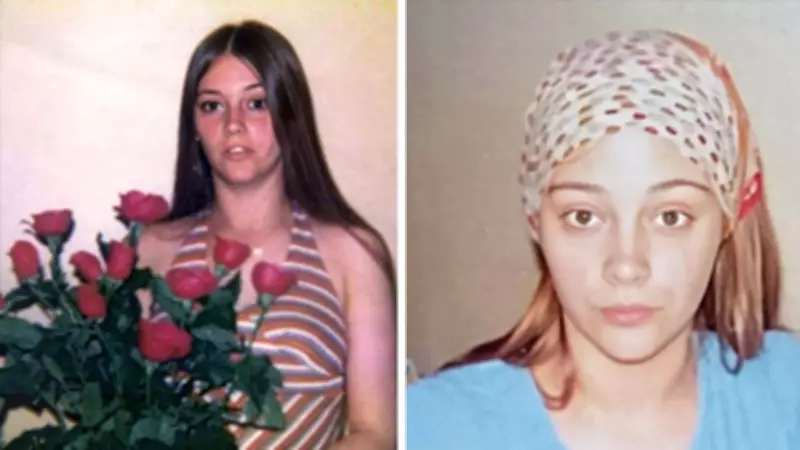
Quebec Police Solve Decades-Old Missing Person Case Through Forensic Breakthrough
In a significant development for a long-standing cold case, Quebec police have officially identified the remains of a woman who vanished nearly five decades ago. The Sûreté du Québec announced that through advanced forensic methods, they have confirmed the identity of Pamela Harvey, who was reported missing in 1978.
A Mystery That Endured for Generations
The case of Pamela Harvey had remained unresolved for 48 years, representing one of Quebec's most perplexing missing person investigations. Harvey disappeared under circumstances that were never fully explained, leaving her family and authorities with unanswered questions for generations. The recent identification marks a pivotal moment in forensic science's ability to revisit and resolve historical cases.
Modern forensic techniques, including DNA analysis and other identification methods unavailable in the 1970s, played a crucial role in finally putting a name to remains that had long been unidentified. This breakthrough demonstrates how technological advancements are enabling law enforcement to address cold cases that once seemed permanently unsolvable.

The Investigation's Renewed Focus
While police have not released specific details about where or how Harvey's remains were discovered, the identification represents a major step forward in understanding what happened to her. The Sûreté du Québec has indicated that their investigation continues, now focused on determining the circumstances surrounding her disappearance and death.
This case highlights the persistent efforts of law enforcement agencies to bring closure to families affected by long-term disappearances. For Harvey's relatives, the identification provides some answers after nearly half a century of uncertainty, though it also raises new questions about the events of 1978.
Broader Implications for Cold Case Investigations
The successful identification of Pamela Harvey's remains serves as an important precedent for other cold cases across Canada. It demonstrates that:
- Advances in forensic science can breathe new life into investigations that have been dormant for decades
- Law enforcement agencies maintain commitment to unresolved cases regardless of their age
- Families of missing persons may eventually receive answers through persistent investigative work
As Quebec police continue their investigation into Harvey's case, they have appealed to the public for any information that might shed light on her activities and associations in 1978. The identification represents both an ending and a beginning—closure for one aspect of the case, but potentially the start of a new phase in understanding what happened nearly five decades ago.